Exercise may help some people manage menstrual-cycle symptoms, but the best strategy is flexible. Energy, cramps, bleeding, mood, sleep, and performance can vary, so training should respond to symptoms rather than follow rigid cycle rules.
TL;DR: Use symptom tracking, adjust intensity, and keep movement options available. Gentle activity, strength training, mobility, and rest can all be appropriate depending on the person and the day.
Start With Symptoms, Not a Fixed Template
Menstrual cycles vary widely. Some people feel normal through most of the cycle. Others experience cramps, heavy bleeding, headaches, fatigue, digestive changes, mood symptoms, or disrupted sleep. A plan that assumes everyone should train hard during one phase and rest during another can become misleading. The better starting point is your own symptom pattern across several cycles.
The Office on Women’s Health overview of premenstrual syndrome explains that symptoms can differ from person to person. That is why exercise advice should be cautious. Movement may support mood, circulation, and routine for some people, but it is not a guaranteed treatment and should not replace medical care when symptoms are severe.
How to Match Training to the Day
Use a traffic-light system. Green days are normal-energy days when planned strength training, running, or intervals feel reasonable. Yellow days include mild cramps, lower motivation, or poor sleep; use moderate lifting, reduced volume, easier cardio, or longer warm-ups. Red days include severe pain, dizziness, unusually heavy bleeding, or symptoms that interfere with daily tasks; rest or medical guidance may be more appropriate than pushing through.
| Symptom Day | Training Option | Reasonable Adjustment |
|---|---|---|
| Green | Planned session | Train normally and track how it feels |
| Yellow | Moderate strength or easy cardio | Reduce load, pace, or total sets |
| Red | Rest, gentle walking, or care-seeking | Do not treat severe symptoms as a discipline test |
| Variable | Mobility and breath-led movement | Preserve routine without forcing intensity |
Strength training can stay in the plan when symptoms allow. Some people prefer machines or familiar lifts during lower-energy days because setup is easier and form feels more controlled. If you want to keep lifting but reduce strain, use dynamic warm-up ideas and lighter practice sets before deciding whether to continue.

Cardio, Cramps, and Energy Management
Low-to-moderate aerobic activity, such as walking, easy cycling, or light jogging, may feel helpful for some people during cramps or mood changes. Others feel worse and need rest. Both responses are valid. The goal is to notice patterns, not force a universal answer. If you are building a running habit, starting to run when a mile feels impossible offers a gentle interval structure that can be reduced further during symptom-heavy days.
Hydration, regular meals, and sleep can affect how exercise feels around the cycle. People who cut calories aggressively may find symptoms and training fatigue harder to manage. If weight management is also a goal, avoid combining severe restriction with hard training. A steadier approach, like a less miserable calorie deficit, is usually easier to adapt when symptoms change.
When Symptoms Need More Than Fitness Advice
Exercise content should not normalize severe symptoms. Very heavy bleeding, fainting, intense pelvic pain, symptoms that cause missed work or school, or sudden changes in cycle pattern deserve professional evaluation. Conditions such as endometriosis, fibroids, anemia, thyroid disorders, or other health issues can affect symptoms. A workout modification may help comfort, but it cannot diagnose or treat the underlying cause.
Pain during exercise is also a signal. Mild discomfort that improves with gentle movement is different from sharp pain, dizziness, or feeling unsafe. Stop the session if symptoms escalate. Fitness progress is not measured by how much discomfort you ignore. It is measured by the ability to train consistently while respecting the body’s feedback.
A Useful Tracking Method
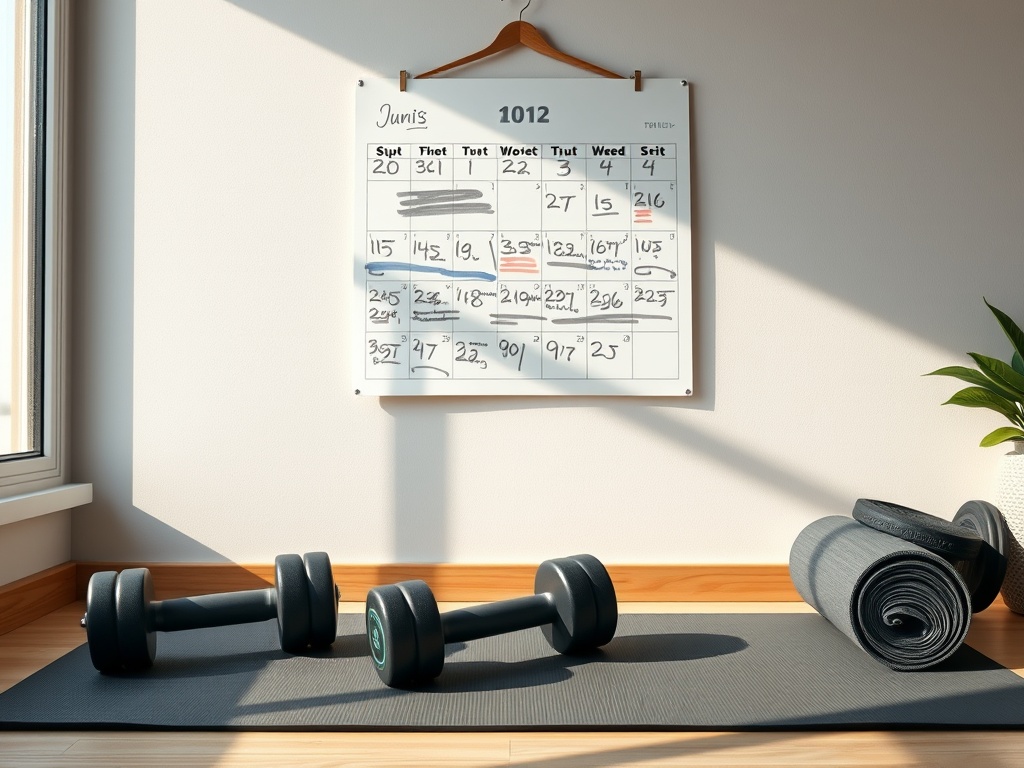
Track cycle day, sleep, mood, cramps, bleeding level, training type, perceived effort, and recovery for two or three cycles. Do not overcomplicate the log. A few words can reveal patterns: “heavy legs before period,” “easy walks help cramps,” or “intervals feel worse on low-sleep days.” Those observations help you plan without relying on generic phase charts.
At the end of each cycle, choose one adjustment for the next one. You might move hard intervals away from predictable symptom days, reduce lifting volume for two sessions, or keep a gentle movement option ready. The goal is not to let the cycle control your fitness. It is to build a routine that can bend without breaking.
Strength Training Adjustments Across Symptom Changes
When symptoms are mild, keep the main movement pattern but reduce one variable. Use fewer sets, lighter loads, slower tempo, or longer rest. For example, a planned lower-body session might become leg press, supported split squats, and light hamstring curls instead of heavy barbell work. The session still trains the body, but it respects lower energy.
On days with bloating or cramps, pressure-heavy positions may feel uncomfortable. Machines, elevated exercises, or seated options can be more tolerable than movements that compress the abdomen. This is a preference adjustment, not a universal rule. Some people feel better with normal lifting, while others need gentler choices. The log will show which pattern applies to you.
Recovery should include more than exercise selection. Consistent meals, fluids, sleep, and reduced stress can influence how training feels. If symptoms are severe enough that every cycle disrupts normal life, the next step is medical support, not a tougher workout plan.
Medication, contraception, perimenopause, stress, travel, and medical conditions can also change symptoms. That makes rigid cycle-based programming even less reliable. If your body does not match a popular template, the template is not automatically correct. Your own repeated observations are more useful than a chart that ignores your lived pattern.
For group classes, arrive with a modification plan. Choose a lower-impact option, reduce resistance, take longer rest, or step out for water when needed. A good class environment should allow adjustment without embarrassment.