Booking a hotel meeting room means reserving more than four walls. You may also be committing to setup, food and beverage, audiovisual equipment, internet, staffing, service charges, taxes, cancellation terms, room blocks, and timing rules. First-time organizers should define the event requirements before requesting a quote and get all material costs and responsibilities into the written agreement.
Meeting Space Snapshot
- Start with attendance, agenda, room setup, AV, accessibility, food, and timing before asking venues for prices.
- A room-rental quote may exclude labor, technology, catering minimums, service charges, or reset fees.
- Read the signed contract and event order carefully because verbal promises are difficult to manage later.
What information should I have before contacting a hotel?
Prepare the event date, expected attendance, start and end times, room layout, breaks, meals, audiovisual needs, internet requirements, registration space, accessibility needs, and whether guests need bedrooms. A clear request for proposal helps venues quote comparable solutions. Meeting Professionals International emphasizes defining objectives, budgets, room use, AV, traffic flow, and other requirements early so potential extra charges are less likely to surface later. You do not need a professional planner’s document, but you do need enough detail for the hotel to understand what it is pricing.
What is a room setup style?
Setup style describes how tables and chairs are arranged, such as classroom, theater, boardroom, U-shape, banquet rounds, or a reception layout. Capacity changes with the setup, so a room that holds a certain number of standing guests may not hold the same number at tables. Ask the hotel for a floor plan and maximum capacity for your specific arrangement. For a business trip that also involves special guest-room needs, the suite booking FAQ can help you compare accommodation space separately from meeting space.
What costs can appear beyond room rental?
Potential charges include food and beverage minimums, AV rental, microphones, projectors or displays, internet upgrades, power, staging, labor, security, bartender fees, parking, coat check, room resets, delivery handling, service charges, and taxes. Not every hotel charges all of them. Ask for an itemized estimate and clarify which amounts are estimates versus fixed contract commitments. A low room-rental fee can be misleading if the event requires expensive in-house services, so compare the total event cost under the same assumptions.
Do I need to use the hotel audiovisual provider?
Policies vary. Some venues have an in-house or preferred provider, while others allow outside suppliers subject to access rules, labor charges, insurance, power fees, or technical supervision. Ask before signing if you plan to bring equipment or a production team. Put the agreed arrangement in the contract or event order. Also confirm internet performance for the expected use, such as simple email, video conferencing, live streaming, or a large number of connected devices. Technology needs that are not specified early can become expensive last-minute changes.
How do food and beverage minimums work?
A food and beverage minimum generally means the group commits to spend at least a stated amount on qualifying catering, with details defined by the contract. Ask what counts toward the minimum, what service charges or taxes sit on top of it, the deadline for final guest counts, and what happens if attendance drops. If the meeting includes overnight guests on a meal package, use the butler service FAQ to keep personalized guest services separate from event catering, because one does not automatically cover the other.

What contract clauses deserve extra attention?
Read cancellation, attrition where sleeping rooms are involved, deposit schedules, force majeure, payment deadlines, damages, outside-vendor rules, minimum spends, overtime, and the process for changing meeting specifications. Do not sign based on a sales proposal alone if a later contract contains different terms. MPI’s meetings resources consistently stress careful contract review. If the booking must remain flexible, the site’s cancellation policy FAQ offers a useful beginner framework for deadlines and documentation, although event contracts are more complex than ordinary room reservations.
How should I handle accessibility?
Ask attendees what accommodations they need and discuss them with the venue early. Consider accessible routes, restrooms, seating, stages, microphones, lighting, signage, service animals, and accessible guest rooms where lodging is involved. The U.S. Department of Justice ADA lodging guide explains that hotels are places of public accommodation and discusses equal access across hotel facilities, including business and conference areas. Requirements vary by jurisdiction, so the venue should address applicable local law rather than relying on a generic checklist.
When is a site visit worth doing?
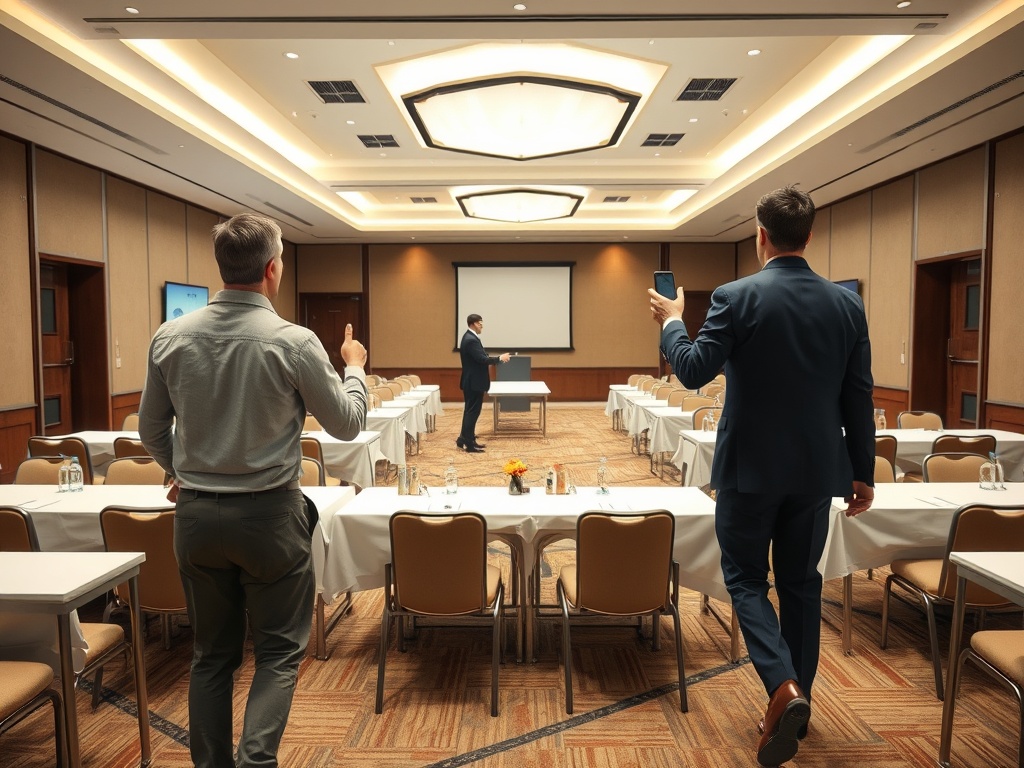
A site visit is valuable when layout, accessibility, guest flow, loading access, noise, wayfinding, staging, or technology is important. Walk the actual path attendees will use from arrival to registration, meeting room, restrooms, meals, and guest rooms. Check ceiling height and sightlines, not only square footage. If an in-person visit is impossible, ask for current floor plans, photos, a live video walkthrough, and written dimensions. Document any critical promise so it survives staff changes between the sales process and event day.
What should I reconfirm before the event?
Reconfirm the agenda, room setup, head count, menus and dietary needs, AV, internet, signage, loading times, key contacts, payment method, and any bedroom block. Ask when final changes are due and who has authority to approve onsite costs. Keep the latest signed contract and banquet or event orders with you. If the venue sends revised documents, compare them with the previous version rather than assuming only the requested line changed. Good event execution often depends on controlling small details before people enter the room.
A First-Time Meeting Room Brief
Before requesting quotes, write a one-page brief covering:
- event purpose, date, attendance range, and agenda;
- preferred room setup and any breakout spaces;
- AV, internet, power, and hybrid-meeting needs;
- food, beverage, dietary, and service timing;
- accessibility, parking, loading, and guest-flow needs;
- budget, payment schedule, and flexibility requirements.
Price the Whole Event, Not Just the Room
The simplest way to book meeting space confidently is to define the event first, then compare venues against the same written requirements. Ask for itemized costs, read the contract, verify accessibility and technology, and reconfirm the final event order. A clear brief gives both the organizer and hotel a better chance of delivering the room, services, and schedule that were actually expected.
For a first meeting, create a one-page event brief before requesting quotes. Include attendance, room setup, start and end times, food service, internet needs, audiovisual equipment, accessibility requirements, loading or vendor needs, and sleeping rooms if applicable. Send the same brief to every venue so the proposals are easier to compare. Before signing, ask the hotel to identify assumptions or items that are not included in the quoted total. This reduces the risk of comparing one venue’s complete package with another venue’s partial estimate.