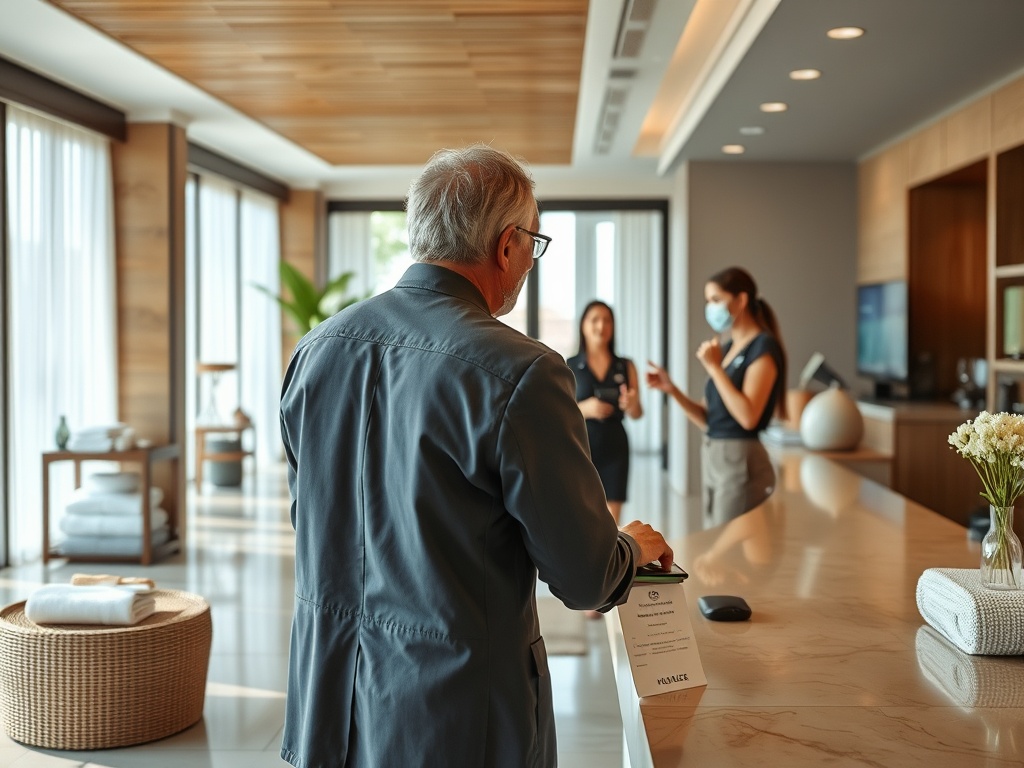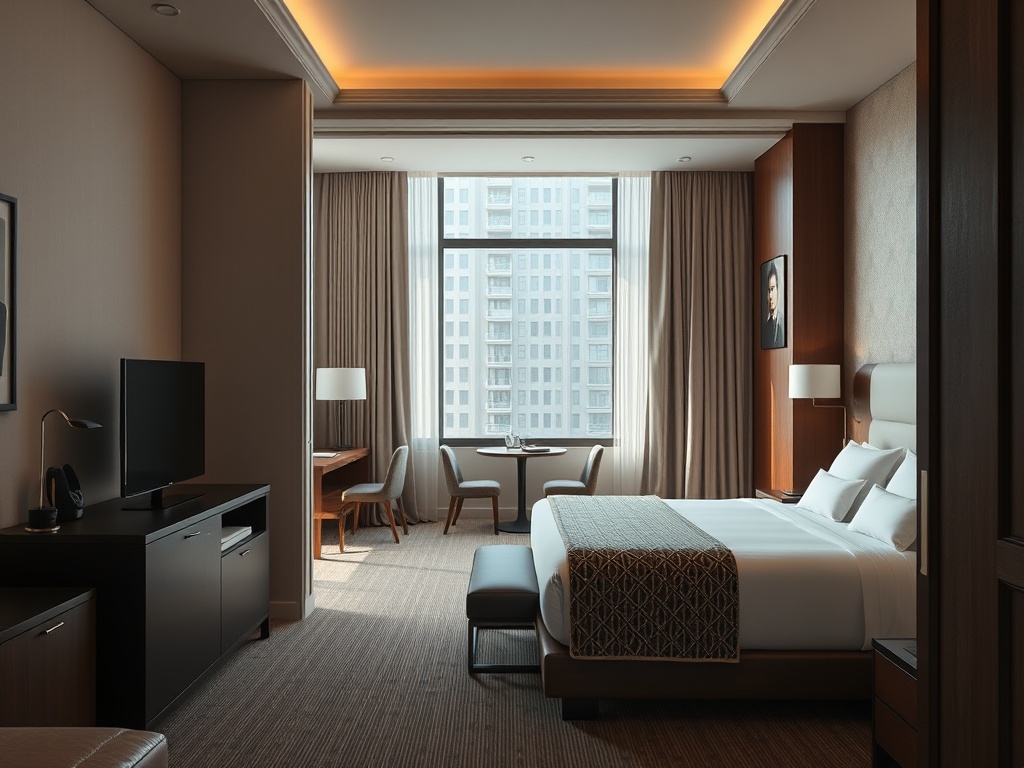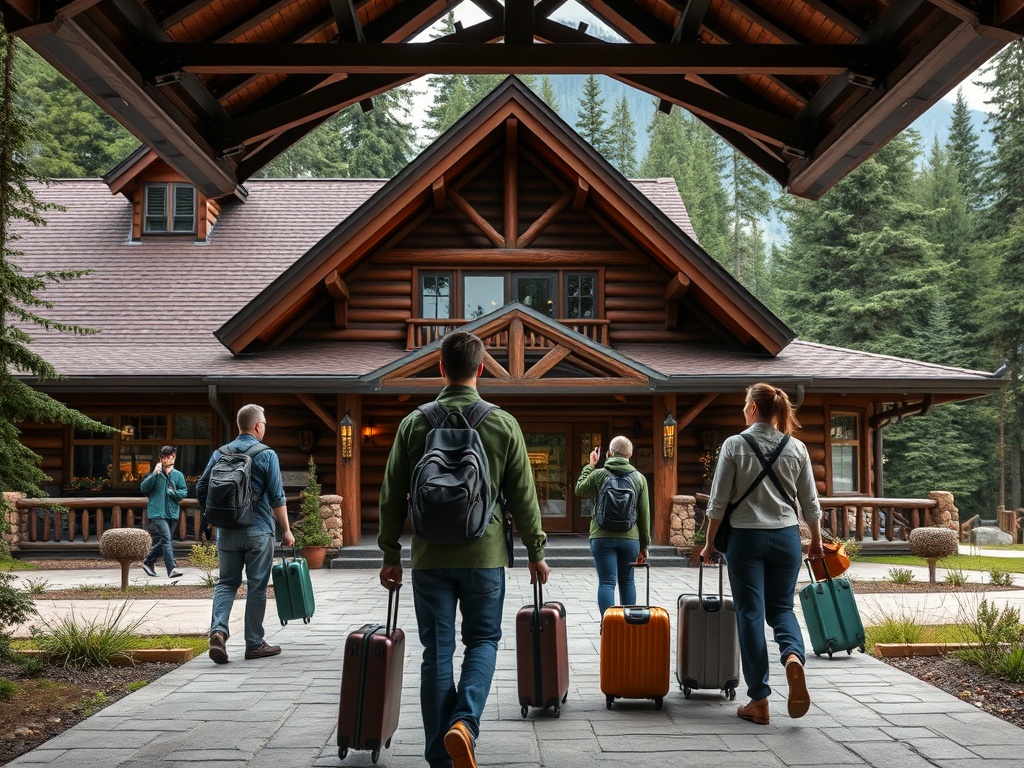
A national park lodge can place travelers close to major park landscapes and activities, but booking one often requires more planning than choosing a typical city hotel. First-time visitors should confirm whether the property is inside or outside the park, who operates it, seasonal opening dates, transportation, food options, room amenities, cancellation terms, accessibility, and how lodge reservations relate to separate park-entry requirements.
Park Lodge Snapshot
- National park lodging may be operated by authorized concessioners rather than directly by the park agency.
- A lodge reservation does not automatically replace any separate park entrance, vehicle, timed-entry, or activity requirement.
- Remote locations can have limited dining, connectivity, fuel, medical access, and transport, so plan the whole stay around the setting.
Who actually operates lodges inside U.S. national parks?
The National Park Service often uses private concessioners to provide visitor services such as lodging, food, retail, and transportation under park contracts. The NPS Commercial Services Program explains that concessioners provide many services that parks do not provide directly. This means the lodge may have its own reservation system and policies even though it is located on federal park land. Use links from the official park or NPS concession pages when possible so you can identify the authorized operator rather than relying only on a search advertisement.
Does a lodge booking include park entrance or timed entry?
Do not assume it does. Lodging, park entrance, vehicle reservations, timed-entry systems, permits, and guided activities can be separate products with separate rules. Read the official park’s current trip-planning information for your travel dates. If the lodge confirmation mentions an exception or included access, verify exactly what it covers. A room reservation proves where you are staying; it does not automatically prove that every road, trailhead, shuttle, or attraction is available when you arrive.
How early should I book a park lodge?
Popular properties and peak dates can fill well in advance, but there is no single booking window for every park or operator. Start by identifying the official lodging provider and its reservation calendar, then compare your flexibility on dates and room types. If you book far ahead, the cancellation policy FAQ is especially useful because long lead times increase the chance that plans change. Save the rate rules that apply at the moment of booking.
Are park lodges open all year?
Some operate year-round, while others are seasonal because of snow, road access, weather, staffing, or park operations. Even a year-round lodge can have seasonal restaurants, shuttles, roads, or activities. Check the official park operating calendar and lodge page rather than assuming summer services exist in spring or winter. The NPS Commercial Services Program explains how concession contracts cover a range of visitor services, reinforcing that lodging is only one part of the operating picture you should verify.
What amenities should I expect in a remote lodge?
Expectations should come from the specific room description, not the price or park name. Historic or remote lodges may prioritize location and character over large rooms, air conditioning, televisions, strong Wi-Fi, elevators, or extensive in-room features. Others are fully modern. Read the current amenity list, bathroom arrangement, bed configuration, and accessibility details before paying. Families should also avoid assuming a remote lodge offers resort-style childcare; the kids-club FAQ shows what to verify when supervised children’s programming is a deciding feature.
How should I plan meals?
Check restaurant opening hours, reservation requirements, grocery access, packed-lunch options, and what is open during your season. Remote areas can have fewer alternatives after lodge dining closes. If your reservation includes breakfast or another meal, confirm the exact inclusion and service location. If meals are bundled with the room, ask the lodge to define each inclusion in writing because package labels and operating hours can vary by property and season.
Do I need a car if I stay inside the park?
It depends on the park, season, lodge, shuttle network, and activities. Some destinations have extensive transit; others are difficult without a private vehicle. Check road closures, parking, shuttle reservations, transfer times, and the distance from the lodge to the places you want to visit. Do not use straight-line mileage alone in mountainous terrain. If you will arrive by train, bus, or flight, confirm the last-mile connection before booking the room so you do not discover later that the lodge is impractical to reach without a car.
What should travelers with accessibility needs verify?
Contact the authorized lodging operator and park for specific information about accessible rooms, routes, parking, shuttles, dining areas, and activity access. Historic settings can have constraints, but operators should be able to describe the features that are available. Ask about the exact room, not only whether the property is generally accessible. Also check altitude, terrain, distance between buildings, and emergency access where relevant to your needs. Use official information and your own requirements rather than relying on guest photos alone.
What should be in my pre-arrival plan?
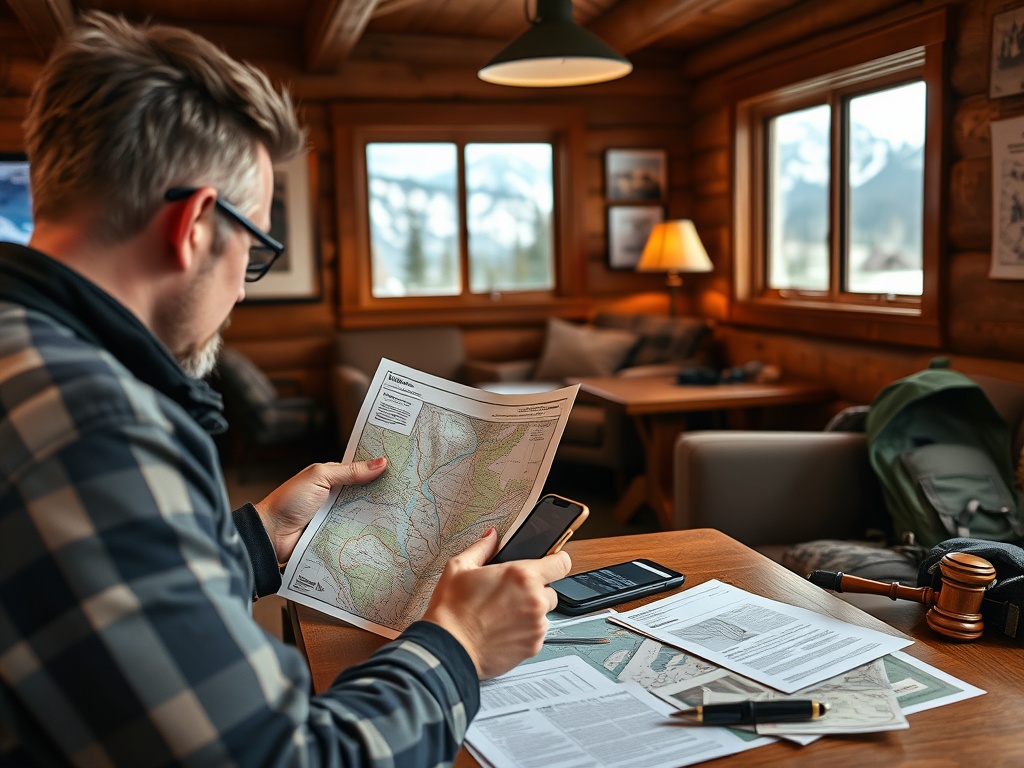
Save the lodge confirmation, official park page, road and weather information, entrance or timed-entry details, dining hours, fuel plan, medical and emergency contacts, and offline maps where connectivity may be limited. Recheck conditions shortly before departure because roads and services can change. Pack for the elevation and season, not only the forecast in the nearest city. A park lodge stay is easiest when lodging, transportation, food, and daily activities are treated as one connected itinerary.
A Park-Lodge Booking Sequence That Works
For a first visit, make the decisions in this order:
- identify the official park and authorized lodging operator;
- confirm seasonal roads, shuttles, entrance systems, and activity access;
- choose a room whose amenities and accessibility meet your needs;
- review meals, fuel, groceries, and medical access in the surrounding area;
- read cancellation terms before a long-lead booking;
- recheck park conditions shortly before travel.
Plan the Lodge and the Park Together
The best national park lodge choice is not simply the room closest to a landmark. It is the property that works with your park access, transport, season, food plan, room needs, and daily itinerary. Use official NPS and operator information, keep separate reservations organized, and recheck conditions before departure. That preparation makes the remote setting an advantage rather than a source of preventable logistics problems.
Build the stay around the park day rather than the room alone. Note realistic travel times, the earliest and latest services you expect to use, meal availability, fuel or charging needs, and any reservation or entry requirements for the areas on your itinerary. Then check the lodge against that plan. A property that looks less convenient on a map may work better if its operating schedule, access route, and services line up with the activities you actually intend to do.