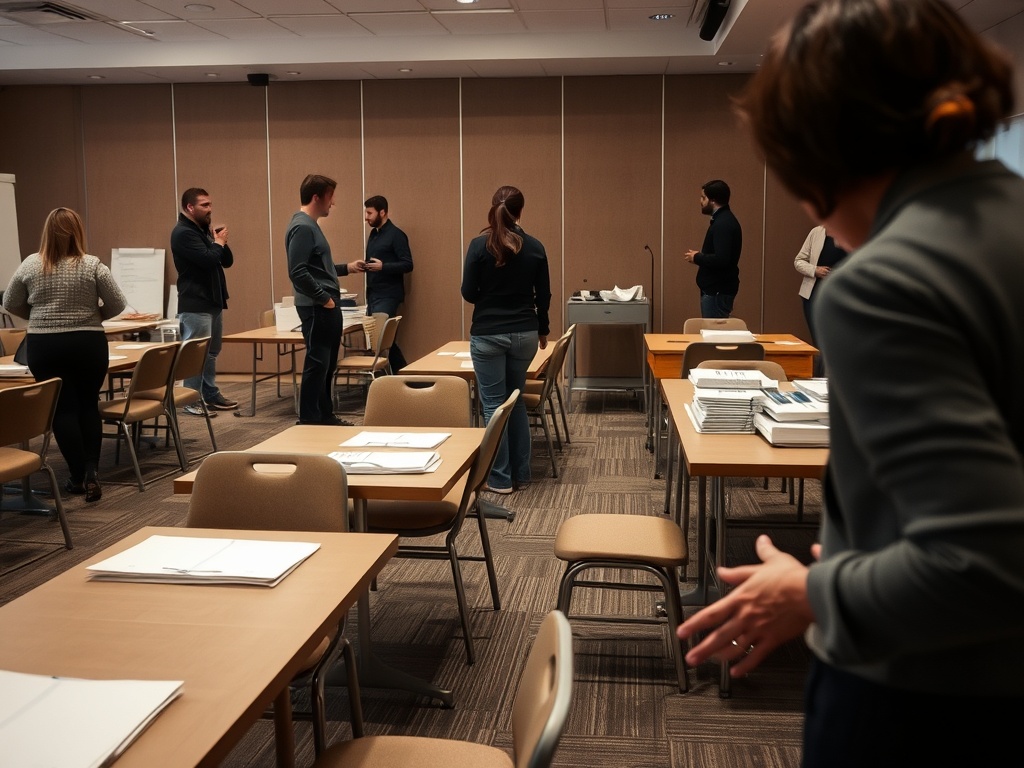
A workshop format should be chosen after the team understands the learning goal, audience skill level, session length, facilitation needs, and follow-up expectations. The format is less about what sounds engaging and more about how participants will practice, discuss, or apply the topic.
Format Decision Snapshot
- A workshop is strongest when the format matches the outcome: awareness, skill-building, decision-making, or collaboration.
- Format choices affect room layout, facilitator count, accessibility, technology, timing, and post-event materials.
- Decide the workshop shape before locking venue layout or speaker requirements.
This article focuses on workshop format decisions before event teams move forward for event teams working at the beginner stage. It follows the supplied outline for workshop event format faq while keeping the guidance educational and practical.
What Counts as a Workshop Format?
A workshop format is the structure that turns a topic into participant activity. It can be a hands-on lab, guided discussion, breakout sprint, case-study review, peer clinic, demonstration, or working session. Each format changes how people move through the room, how much instruction they need, and how the facilitator measures progress.
The mistake many beginner teams make is treating “workshop” as a single format. A ninety-minute executive roundtable and a three-hour skills lab may both be workshops, but their staffing, materials, room layout, and technology needs are very different.
When Should the Format Be Chosen?
Choose the format after the learning goal is clear and before the venue layout is finalized. Waiting until the agenda is nearly complete can create hidden costs. A room set for theater seating may not support group exercises. A session that requires participant laptops may need power access, bandwidth review, and technical support.
Teams that are still reviewing goals can use Event Goals Checklist: What to Review Before You Lock the Budget as an early checkpoint before committing to workshop production details.
Who Needs to Be in the Decision?
At minimum, involve the content owner, facilitator, operations lead, accessibility owner, registration or audience owner, and technology lead. If the workshop is sponsored, the sponsorship manager should also review the format so sponsor involvement does not interrupt participant trust or learning flow.
The facilitator should have authority to simplify. A common failure point is an agenda that tries to include presentation, discussion, networking, product education, and hands-on work in one short session. Better workshops usually make one promise and keep it.
FAQ: Practical Answers Before the Plan Moves
Below are the questions event teams usually need answered before room blocks, staffing, and materials become fixed. The answers are general planning guidance, not a guarantee that a specific venue or organizer will support each setup. Always verify with the official venue and event organizer.
[Image Placeholder 1: Editorial photo prompt provided after this article.]
Workshop Format Comparison
Use this comparison to match structure to intent. The best choice depends on audience size, subject complexity, accessibility needs, and the quality of facilitation available.
| Workshop Format | Best Fit | Planning Watchout |
|---|---|---|
| Hands-on lab | Skill practice, software training, technical education. | Requires equipment checks, support staff, and clear step pacing. |
| Peer clinic | Problem-solving among experienced participants. | Needs strong moderation so one voice does not dominate. |
| Case-study discussion | Decision-making and applied learning. | Requires careful pre-reading and inclusive discussion design. |
| Breakout sprint | Idea generation or project planning. | Needs timekeeping, templates, and a clean share-back method. |
| Demonstration plus practice | Introductory education with guided application. | Can become passive if practice time is too short. |

How to Use This in the Next Planning Meeting
Bring this article into the next planning meeting as a conversation guide rather than a rigid rulebook. Ask each owner to name the one decision they need from the group, the one risk they see, and the one piece of evidence they still need. That simple rhythm keeps the meeting practical and prevents teams from debating preferences before facts are clear.
For multi-team events, document assumptions in plain language. If a venue detail, sponsor benefit, technology feature, entry rule, or schedule item is still unconfirmed, label it as unconfirmed. This protects the team from treating hopeful planning notes as public promises.
Format Checks That Keep the Room Useful
Before choosing a workshop shape, ask how participants will behave minute by minute. Will they listen, write, discuss, practice, move, vote, or build something? Then ask what support each action requires. This reveals whether the format is realistic for the time, room, and facilitator skill available. A workshop plan is ready when the team can explain not only what will be taught, but what participants will do with the information while they are still in the room.
For editorial use, keep this article narrow when adapting it for the site. The topic sits inside the Event Formats & Experience Design cluster, so it should answer the specific search intent without trying to cover every related event-planning issue. If the piece is repurposed into a checklist, social post, email, or downloadable worksheet, preserve the cautions around confirmation, access, privacy, and event-specific rules. Those safeguards help the content stay useful while avoiding unsupported claims about prices, timelines, access, turnout, legal duties, or guaranteed results. Keep examples hypothetical unless official event details or verified organizer materials support them directly, and verify final wording before publication.
Choose the Shape Before You Choose the Room
Events content is for informational and educational purposes only. It does not replace professional legal, financial, travel, immigration, insurance, accessibility, safety, tax, privacy, or contractual advice. Readers should verify event details, venue requirements, access rules, deadlines, costs, policies, and participation conditions directly with official organizers, venues, vendors, and qualified advisors before making decisions.
The practical next step is to turn the main checklist or comparison above into a short owner-assigned action list. Keep only the actions that support the event goal, confirm the facts that affect attendees, and review the plan again before public communication goes live.