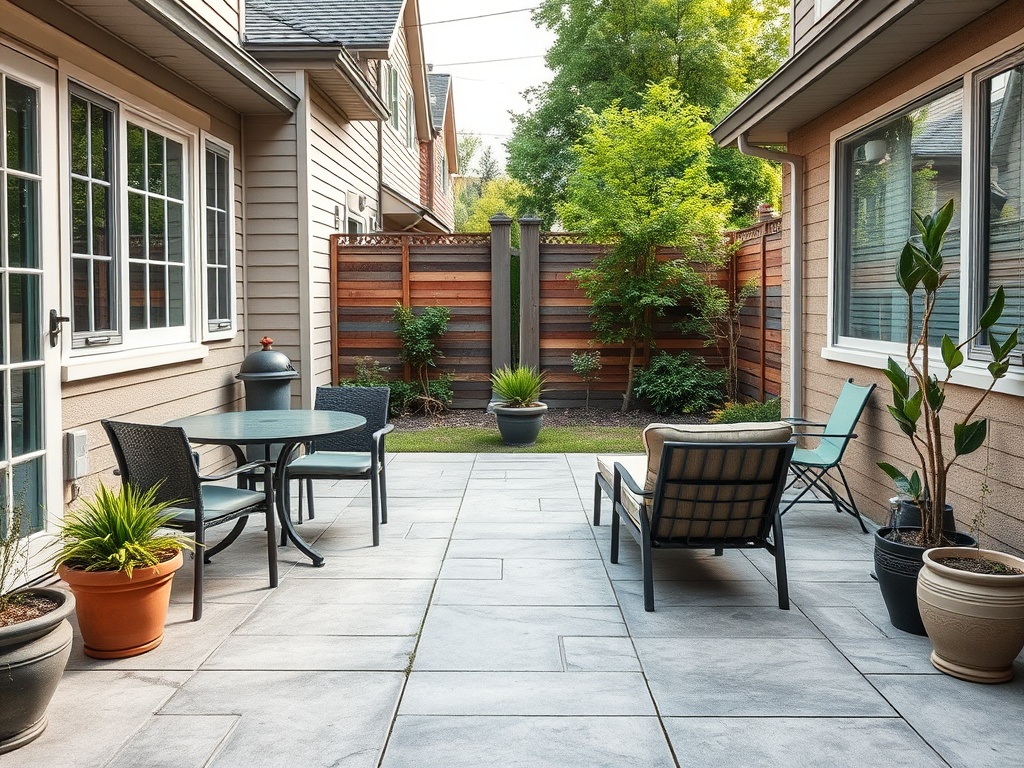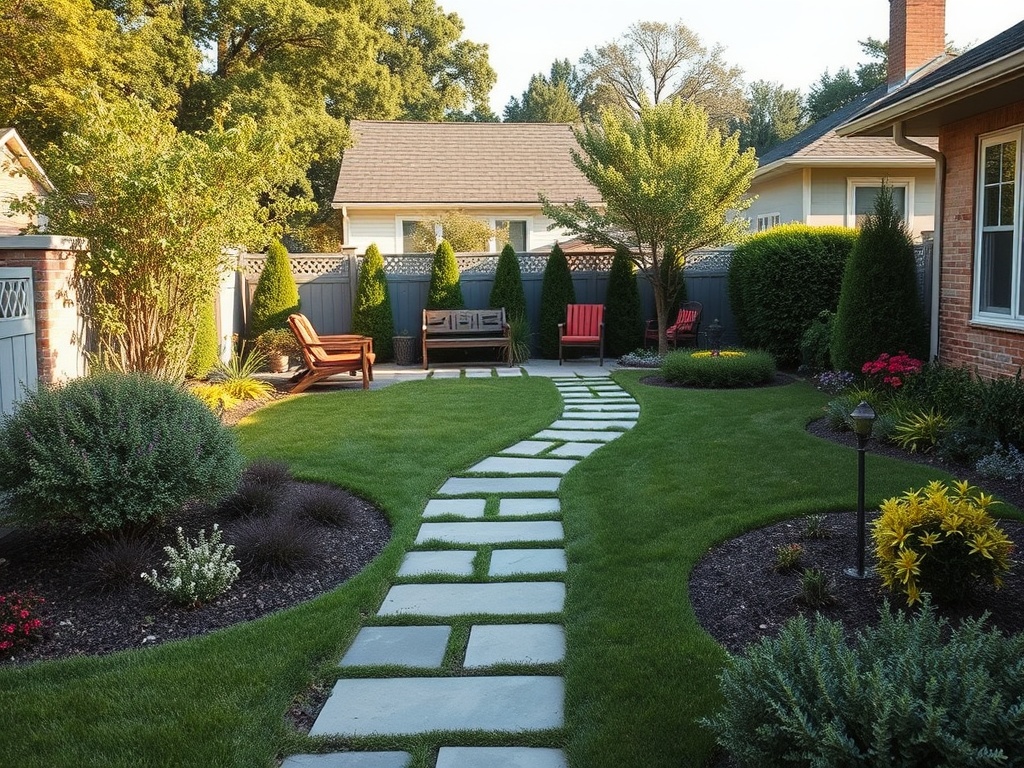
Backyard landscaping can strengthen a home’s appeal when the space looks intentional and easy to use. The most reliable improvements come from organizing the yard first, then using planting, hardscape, lighting, and screening to create clear zones instead of adding isolated decorative features.
Backyard Snapshot: Begin with a site assessment, define paths and activity areas, repeat a small plant palette, repair obvious edges and drainage problems, and add one focal feature. Attractive landscaping is usually the result of proportion and upkeep rather than the sheer number of plants or accessories.
Start With the Yard You Have
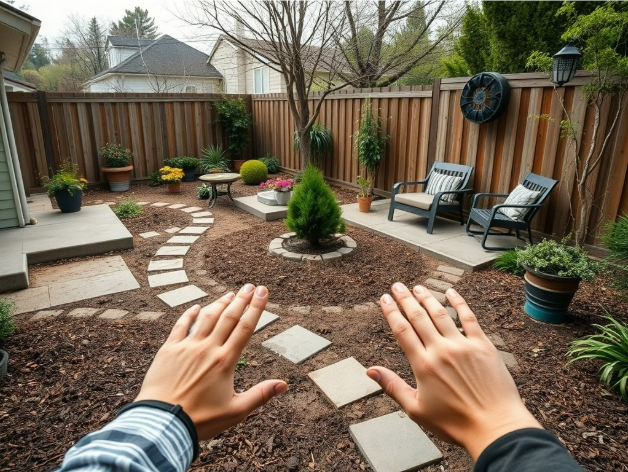
Before buying plants or patio furniture, document the existing conditions. Note sun and shade, drainage patterns, doors and gates, utilities, mature trees, slopes, views, and the places people already walk. University of Georgia Extension’s site-analysis guidance emphasizes understanding site limitations and assets before design decisions are made. That principle prevents expensive corrections later.
Take photos from the house, the main backyard entrance, and any neighboring sightline that matters. These views show where clutter is most visible and where a strong focal point could improve the composition. If you are planning hardscape, also locate easements and buried utilities through the appropriate local service before digging.
Give the Backyard a Clear Structure
A yard feels finished when people can understand how to move through it. Start with a simple hierarchy:
1. Identify the primary use, such as dining, play, gardening, or quiet seating.
2. Set a clear route from the house to that area.
3. Use planting beds, paving changes, or low borders to define secondary zones.
4. Keep service areas, trash storage, equipment, and utilities accessible even if you screen them visually.
A rough base map is useful even for a small project. UGA Extension’s base-map guidance recommends recording existing structures and fixed features before developing a landscape plan. You do not need drafting software; a measured sketch is enough to expose awkward circulation and unused corners.
Use Strong Edges Before Adding More Plants
Clean bed lines, repaired edging, trimmed lawn boundaries, and defined paths can improve the visual order of a backyard quickly. Edges tell the eye where one material ends and another begins. They can be created with steel, masonry, timber, a crisp spade-cut line, or a change in surface material.
If turf is part of the design, select it for the regional climate and site rather than appearance alone. The comparison in cool-season versus warm-season grass explains how growth cycles and seasonal performance affect maintenance expectations.
Layer Planting for Depth and a Finished Look
A common landscaping mistake is placing individual shrubs around the perimeter with no visual relationship. A more cohesive approach uses layers: taller structural plants, medium shrubs or grasses, then lower perennials and groundcovers. Repeat a few species or colors in several locations so the yard reads as one composition.
Match plants to light, soil, moisture, and mature size. Installing a shrub that naturally grows eight feet wide into a three-foot gap creates a pruning problem, not a low-maintenance solution. If wildlife value and regional adaptation are priorities, native species may be useful choices, but a plant still has to match the exact site.
Create One Focal Point Instead of Competing Attractions
A focal point gives the eye a destination. In a compact backyard, that might be a specimen tree, a simple bench, a fire-safe seating area, a large container grouping, a water feature, or a framed view through an arbor. Choose one primary feature and let supporting elements remain quieter.
Avoid putting every decorative object on the same visual axis. Too many competing ornaments can make the space feel smaller and busier. The focal point should also make sense from the main indoor view; a feature that is hidden from the house may contribute less to perceived appeal than one seen through a kitchen or living-room window.
Make the Patio Feel Connected to the Landscape
A patio looks more integrated when planting softens at least some of its hard edges. Containers, low shrubs, ornamental grasses, or a nearby bed can create a transition between paving and lawn. Keep mature plant size in mind so foliage does not block doors, cooking areas, or traffic paths.
For a small yard, layout matters more than the amount of furniture. The guide to small-backyard patio layouts breaks down ways to organize dining, conversation, and flexible-use zones without overcrowding the surface.
Use hardscape materials that suit the home’s architecture and local climate. Pavers, poured concrete, gravel, brick, stone, and decking all have different installation, drainage, accessibility, and maintenance considerations. Major grading, retaining structures, and complex patio construction may require professional design or local permits.
Add Lighting for Safety First and Ambience Second
Outdoor lighting can improve evening usability and visual depth, but more fixtures do not automatically produce a better result. Start with task lighting at steps, changes in level, gates, and frequently used paths. Then add low-intensity accent lighting where it supports the landscape.
Shield fixtures so light goes where it is needed rather than into neighboring windows or the night sky. Electrical work must follow local code; permanent line-voltage installations are appropriate work for a qualified professional. Solar fixtures can be useful in some spots, but performance depends on exposure, product quality, and seasonal light.
Screen What You Do Not Want to See
Air-conditioning equipment, bins, utility areas, and storage can be softened with fencing, lattice, shrubs, or panels, but screening should never block ventilation or maintenance access. Planting too close to mechanical equipment can create service problems.
Privacy is similar. A layered mix of fencing and plants may feel softer than one tall wall, but check local height limits, setbacks, homeowner-association rules, and sightline requirements before building. The goal is to reduce visual clutter without creating a hidden maintenance trap.
Fix Drainage Before Cosmetic Upgrades
Water that ponds near the foundation, cuts channels through beds, or washes mulch across paving is more than an appearance issue. Do not cover drainage symptoms with new plants. Observe the yard during rain, identify where water enters and leaves, and correct the source appropriately.
Simple surface grading or downspout extensions may help in some settings, while persistent drainage problems can require professional assessment. Plant selection should follow the site’s real moisture conditions. A plant that tolerates wet soil can be useful in a naturally damp area, but it should not be used to disguise a building drainage defect.
Choose Improvements by Budget and Impact
For a modest budget, focus on cleanup, pruning, edging, mulch, small plant replacements, and a few containers. A medium budget can support a defined seating area, improved paths, screening, and more substantial planting. A larger project may include a rebuilt patio, drainage work, lighting, grading, or major tree and shrub installation.
Before buying specialized equipment, inspect what you already own. The companion guide on cleaning, sharpening, and storing hand tools can help keep routine landscape work safer and more efficient.
Let Maintenance Be Part of the Design
The strongest curb-appeal idea is one you can keep looking intentional. Choose bed widths you can reach, leave room around mature plants, keep access to spigots and utilities, and avoid surfaces that require more maintenance than your schedule allows. An ambitious landscape that is constantly overgrown will usually feel less polished than a simpler one that is consistently cared for.
For your first weekend, photograph the yard, draw a basic plan, choose one focal improvement, and complete the cleanup and edge work before purchasing extra decor. That sequence creates a visible foundation for every later upgrade.
This home-and-garden material is for general educational use. Plant suitability, drainage solutions, lighting, hardscape construction, setbacks, and code requirements vary by property and jurisdiction; consult qualified local professionals where structural, electrical, grading, or permitting issues are involved.[/