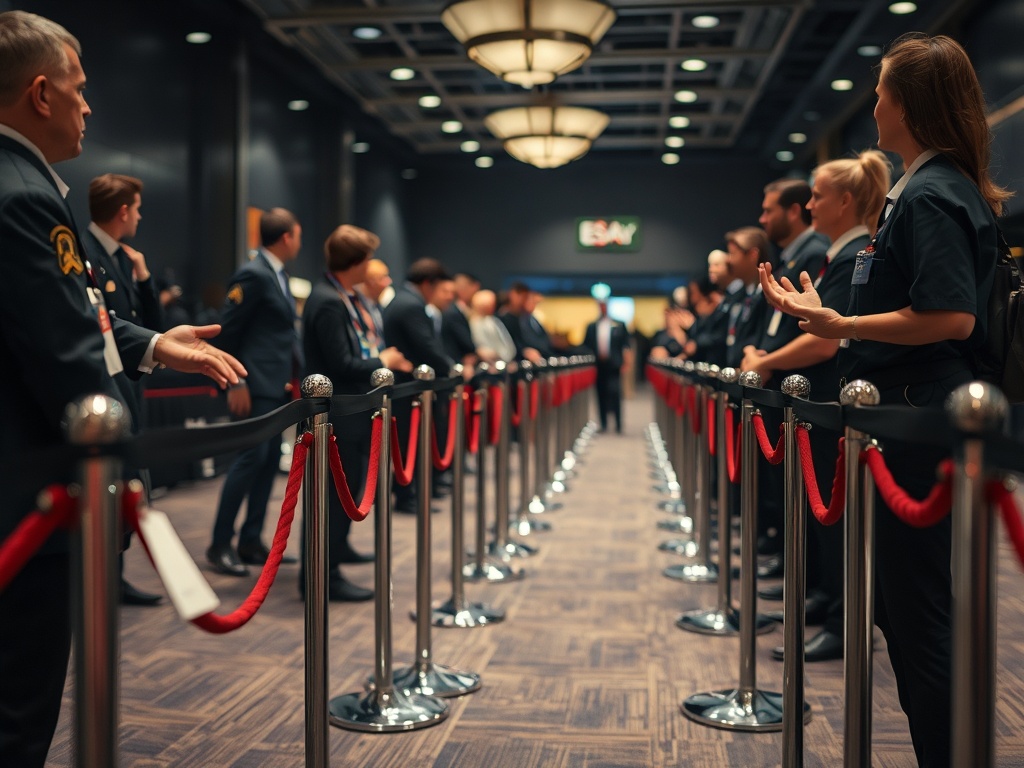
Arrival friction happens when attendees struggle to reach, enter, understand, or move through an event before the program begins. The most common causes are weak transportation guidance, late accessibility planning, unclear entrances, poor wayfinding, and support teams that do not have the information guests need.
Arrival-Friction Snapshot
- Arrival friction is an operations issue, not a guest patience issue.
- Transportation, accessibility, check-in, weather, parking, and communication should be reviewed as one arrival system.
- Teams should verify routes, entrances, support desks, and accommodation processes before final attendee instructions are sent.
This article focuses on travel and accessibility mistakes that create event arrival friction for event teams working at the problem-aware stage. It follows the supplied outline for event transportation and accessibility mistakes while keeping the guidance educational and practical.
Why Arrival Problems Feel Bigger Than They Look
The first fifteen minutes of an event can color how attendees judge everything else. A strong session can feel disorganized if guests arrive stressed, tired, confused, or unsure where to go. This is not only about convenience. For some attendees, unclear access information can determine whether they can participate fully.
Arrival planning should start with the attendee journey: leaving home or hotel, choosing a route, finding the entrance, locating check-in, moving through security, reaching the right room, and getting help when something changes.
Mistake 1: Treating Transportation as a Footnote
Many event pages give an address and assume that is enough. It rarely is. Different attendees may arrive by public transit, rideshare, personal vehicle, shuttle, bicycle, wheelchair-accessible vehicle, or on foot. A single address may lead to the wrong entrance or a loading area rather than the attendee entrance.
Instead, provide route notes, entrance guidance, parking limitations, transit references, drop-off instructions, and timing cautions. Avoid promising that a parking lot, rideshare zone, or shuttle will be available unless the organizer has confirmed those details with the venue or operator.
Mistake 2: Leaving Accessibility Until the End
Accessibility is not only a compliance checkbox. It affects registration questions, accommodation workflows, venue selection, room layout, stage access, seating, communication, food service, restrooms, signage, and emergency planning. The ADA’s general resources at ADA.gov and its guidance on effective communication are useful starting points for U.S. teams, but event planners should verify obligations for their location, venue, and event type.
A practical safeguard is to include an accessibility owner in the same planning meeting where transportation, venue operations, and attendee communication are discussed.
Mistake 3: Sending Vague Arrival Emails
Arrival emails often fail because they are written from the organizer’s perspective. Guests need crisp answers: where to enter, what to bring, how early to arrive, how to request help, what to do if they are late, and what information is subject to change. If access varies by ticket tier or credential type, say so clearly.
A related operations issue is data control. Teams collecting accommodation details should limit access to people who need the information and handle it with care. The NIST Privacy Framework can help organizations think about privacy risk management when collecting personal data.

Arrival Friction Fixes That Prevent Repeat Issues
Use a dry run. Have one person play the role of a first-time attendee using only the published instructions. Have another person test the route with mobility, hearing, visual, or sensory needs in mind. For complex events, test the path at the same time of day guests will arrive. This reveals signage gaps, locked doors, confusing elevators, long walks, and missing staff instructions.
| Problem | Likely Cause | Practical Fix |
|---|---|---|
| Guests use the wrong entrance | Address points to a general campus or service door. | Send entrance photos only if text is unreadable or blurred in public assets; otherwise provide named entrance guidance and map links. |
| Long check-in line | Credential rules are unclear or staff are under-briefed. | Separate support cases from standard check-in and brief staff on exceptions. |
| Accessibility requests surface late | Registration form did not ask or route requests properly. | Ask early, name the contact path, and protect sensitive information. |
| Transit confusion | Instructions assume every guest drives. | Include transit, drop-off, rideshare, shuttle, and parking notes where confirmed. |
| Staff cannot answer questions | Arrival plan lives in one person’s head. | Create a one-page arrival brief for greeters, security, and registration staff. |
How to Use This in the Next Planning Meeting
Bring this article into the next planning meeting as a conversation guide rather than a rigid rulebook. Ask each owner to name the one decision they need from the group, the one risk they see, and the one piece of evidence they still need. That simple rhythm keeps the meeting practical and prevents teams from debating preferences before facts are clear.
For multi-team events, document assumptions in plain language. If a venue detail, sponsor benefit, technology feature, entry rule, or schedule item is still unconfirmed, label it as unconfirmed. This protects the team from treating hopeful planning notes as public promises.
Arrival Questions to Test Before Sending Instructions
Before attendee instructions go out, test the route using only the information that guests will receive. Ask where someone would park or arrive by rideshare, how a guest with a mobility need would enter, where late arrivals should go, and who answers urgent questions. This review often catches small gaps that feel large on event day. The goal is not to promise a perfect arrival; it is to remove avoidable confusion before guests begin their trip.
For editorial use, keep this article narrow when adapting it for the site. The topic sits inside the Venues, Logistics & Operations cluster, so it should answer the specific search intent without trying to cover every related event-planning issue. If the piece is repurposed into a checklist, social post, email, or downloadable worksheet, preserve the cautions around confirmation, access, privacy, and event-specific rules. Those safeguards help the content stay useful while avoiding unsupported claims about prices, timelines, access, turnout, legal duties, or guaranteed results. Keep examples hypothetical unless official event details or verified organizer materials support them directly, and verify final wording before publication.
Remove the Friction Before Guests Leave Home
Events content is for informational and educational purposes only. It does not replace professional legal, financial, travel, immigration, insurance, accessibility, safety, tax, privacy, or contractual advice. Readers should verify event details, venue requirements, access rules, deadlines, costs, policies, and participation conditions directly with official organizers, venues, vendors, and qualified advisors before making decisions.
The practical next step is to turn the main checklist or comparison above into a short owner-assigned action list. Keep only the actions that support the event goal, confirm the facts that affect attendees, and review the plan again before public communication goes live.