Balance exercises can reduce fall risk and improve confidence when they are practiced progressively. The best routine begins with stable, supported drills and gradually adds movement, direction changes, and real-life challenges.
TL;DR: Start near support, practice often, and progress slowly. Balance training should feel challenging but safe, especially for older adults, beginners, or anyone returning after injury.
Why Balance Is Trainable
Balance is not one skill. It combines vision, inner-ear input, joint position sense, strength, reaction time, and attention. That is why balance can improve with practice, but also why it can decline with inactivity, medication effects, illness, footwear changes, or fear after a fall. A good routine trains steadiness and confidence without creating unnecessary risk.
The CDC fall prevention resources emphasize that falls are a major health concern, especially for older adults. Exercise is one important piece, but home safety, vision checks, medication review, and medical guidance may also matter. Fitness advice should support prevention, not pretend one drill solves every fall risk.
Begin With Supported Control
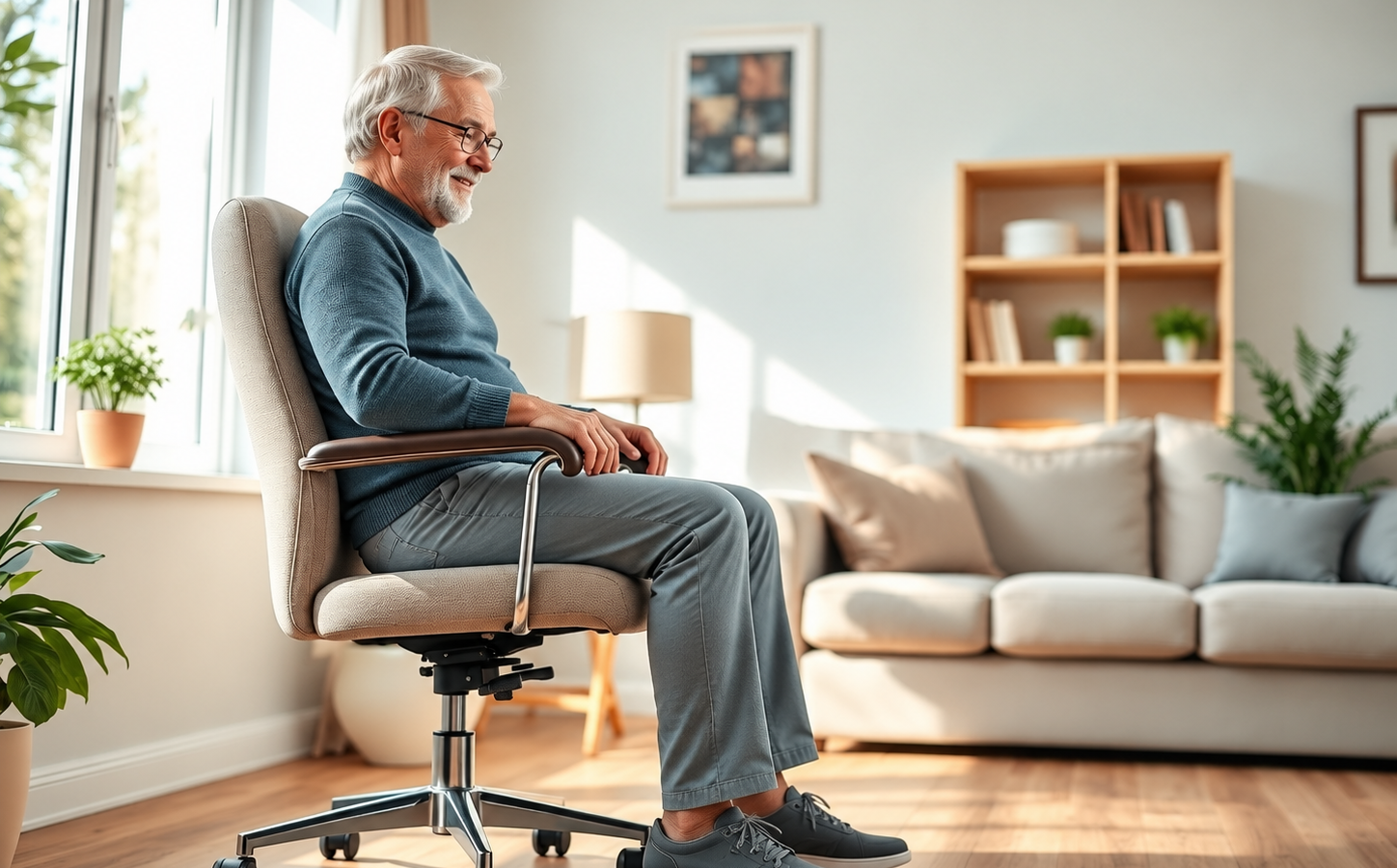
Start near a counter, wall, sturdy chair, or railing. The support is not a sign of weakness; it is how you practice safely. Begin with weight shifts, heel-to-toe rocking, marching in place, and supported single-leg stands. The goal is quiet control. If you grip the chair with panic, make the drill easier. If it feels effortless, reduce hand support or increase time slightly.
| Exercise | How to Do It | Progression |
|---|---|---|
| Weight shifts | Move weight side to side while holding support | Use fingertip support only |
| Tandem stance | Stand heel-to-toe near a wall | Turn the head slowly while steady |
| Supported single-leg stand | Lift one foot for 5 to 15 seconds | Increase time or reduce hand contact |
| Step-over drill | Step over a low object slowly | Add different directions when safe |
Strength supports balance because weak hips, calves, and legs make it harder to recover from a stumble. Sit-to-stands, calf raises, step-ups, and gentle hip abduction can pair well with balance drills. If these terms are unfamiliar, fitness terminology for beginners can help explain movement names before the routine becomes confusing.

Add Real-Life Challenges Gradually
Once supported drills feel steady, add tasks that resemble daily life. Practice stepping sideways, turning slowly, reaching to a shelf, carrying a light object, or walking around cones. These are not circus tricks. They teach the body to manage common situations, such as turning in a kitchen, stepping over a pet toy, or changing direction on a sidewalk.
Do not rush to unstable surfaces. Foam pads and wobble boards can be useful for some people, but they also increase risk if introduced too soon. Many beginners get more benefit from practicing stable-ground control with better posture, stronger legs, and slower turns. Pairing balance work with dynamic warm-ups before workouts can help the body feel prepared before more demanding movement.
Confidence Matters as Much as Difficulty
Fear of falling can make people move less, which can reduce strength and balance further. A good plan builds confidence through repeated safe successes. That might mean practicing three minutes daily instead of one long weekly session. It might mean using a railing every time, training with a partner nearby, or choosing shoes that feel secure.
Confidence should not be confused with carelessness. If dizziness, fainting, numbness, new weakness, or unexplained falls occur, exercise alone is not the answer. Medical review is important. Balance training works best when obvious safety issues are addressed, including clutter, lighting, rugs, pets underfoot, and bathroom hazards.
A Weekly Balance Routine
Try this structure three to five days per week. Warm up with easy walking for three minutes. Do supported weight shifts for one minute. Practice tandem stance for two rounds each side. Add sit-to-stands for two sets of five to ten. Finish with a slow stepping drill in four directions. The whole routine can take less than fifteen minutes.
Progress every one or two weeks by changing only one variable: less hand support, slightly longer holds, more controlled steps, or an added turn. Keep a simple note about steadiness, fear level, and near-losses of balance. Improvement may appear as fewer grabs for support, smoother turns, or more confidence walking outdoors. Those are meaningful outcomes, even if they do not look dramatic.
Safety Setup Before Every Session
Before balance practice, clear the floor, move loose rugs, keep pets away, and place support within reach. Wear shoes or go barefoot based on what feels stable; avoid slippery socks unless they are designed with grip. Good lighting matters because vision contributes to balance. These details may seem small, but they reduce the chance that practice becomes hazardous.
Use the “challenge but control” rule. A drill should require attention, but you should be able to recover without panic. If you repeatedly need to grab support, shorten the hold, widen the stance, or return to an easier version. Progression is earned by steadiness, not by choosing the hardest variation available.
Training with another person nearby can improve confidence, especially after a fall. The helper should not pull or surprise you. Their role is to provide reassurance, keep the space clear, and assist only if balance is lost. Confidence grows when practice feels safe enough to repeat.
For people who use canes, walkers, or other mobility aids, balance training should be adapted rather than copied from general fitness videos. A physical therapist or qualified professional can help choose exercises that fit the device, home environment, and medical history.
Progress can also be measured outside the exercise session. Notice whether you feel steadier getting out of a chair, stepping off a curb, turning in a hallway, or carrying groceries. These daily-life signs often matter more than holding a difficult pose for a few seconds.
If confidence improves, keep practicing. Stopping as soon as balance feels better can allow the skill to fade. A short maintenance routine two or three times per week can help preserve gains while leaving room for walking, strength training, and other activities.