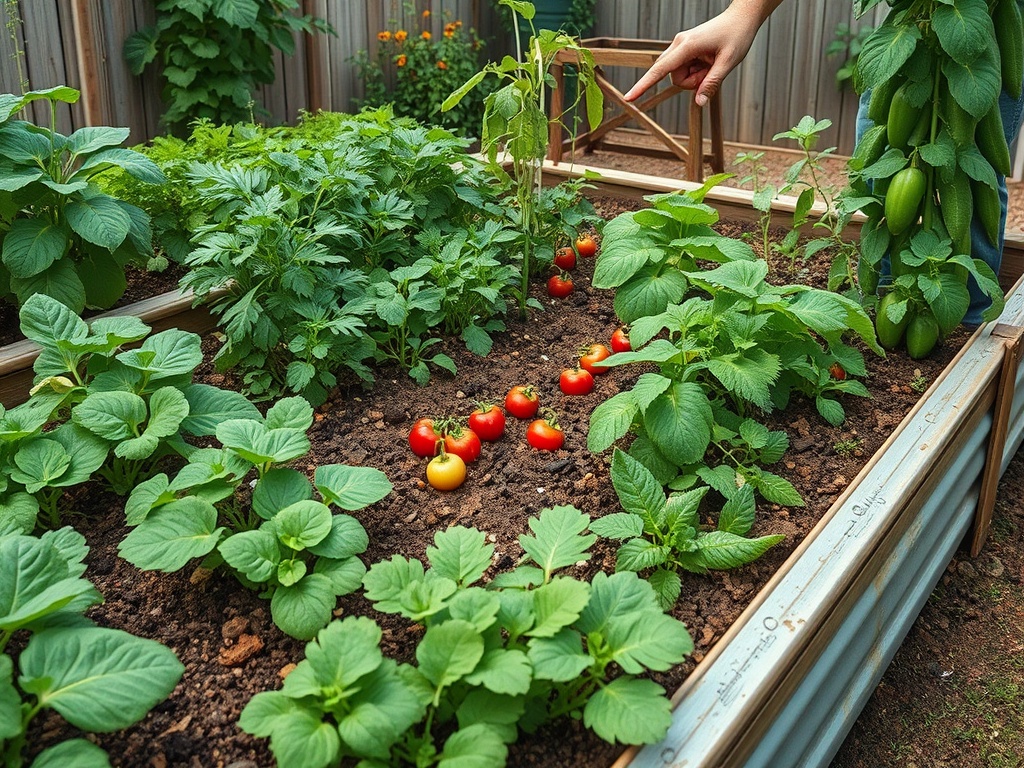
Raised beds work especially well for vegetables that benefit from loose soil, reliable drainage, close spacing, and easy access. The best choices are crops that match the bed’s depth and sunlight, produce well without taking over the entire space, and can be supported vertically when needed.
Raised-Bed Takeaway: Start with leafy greens, radishes, carrots, bush beans, peppers, compact tomatoes, herbs, and trellised cucumbers. Match each crop to the season, give large plants enough root and canopy space, and reserve sprawling vines for a trellis or a bed edge.
What Makes a Vegetable a Good Raised-Bed Candidate?
A raised bed is not automatically better for every crop. Its main advantage is control: you can shape the soil, improve drainage, keep foot traffic out of the root zone, and place crops where they are easy to reach. Penn State Extension’s raised-bed guidance notes that vegetables generally need adequate soil depth and that beds should be narrow enough to work without stepping into them. That last point matters because repeated foot traffic can compact the growing area.
Before choosing vegetables, check four practical limits:
- Sun: Most fruiting vegetables need strong direct light. Leafy crops can often tolerate somewhat less.
- Rooting depth: Shallow beds suit greens and radishes better than deep-rooted or large-framed crops.
- Horizontal space: A tomato may fit at planting time but can shade half a small bed by midsummer.
- Season: Cool-season crops and warm-season crops use the same square footage at different times, which makes succession planting useful.
The soil matters as much as the crop list. A recent Penn State Extension overview of soil health in raised beds emphasizes maintaining soil structure and organic matter rather than repeatedly disturbing the bed. If your bed is new, begin with a consistent soil blend from reliable sources rather than filling it with random layers of yard material.
Best Choices by Space and Growing Habit
| Vegetable group | Good raised-bed choices | Why they fit | Main watch-out |
|---|---|---|---|
| Leafy greens | Lettuce, spinach, kale, chard | Compact and easy to succession plant | Heat can shorten the harvest window |
| Root crops | Radishes, carrots, beets | Loose soil supports straighter roots and easy harvest | Stones and compaction can distort roots |
| Bush crops | Bush beans, compact peppers | Productive without long runners | Need adequate spacing and airflow |
| Vertical crops | Cucumbers, pole beans, indeterminate tomatoes | Trellising shifts growth upward | Supports must be sturdy and placed before vines sprawl |
| Herbs | Basil, parsley, cilantro, chives | Useful in small gaps and near vegetables | Some herbs have different moisture preferences |
Leafy Greens Give You the Most Flexibility
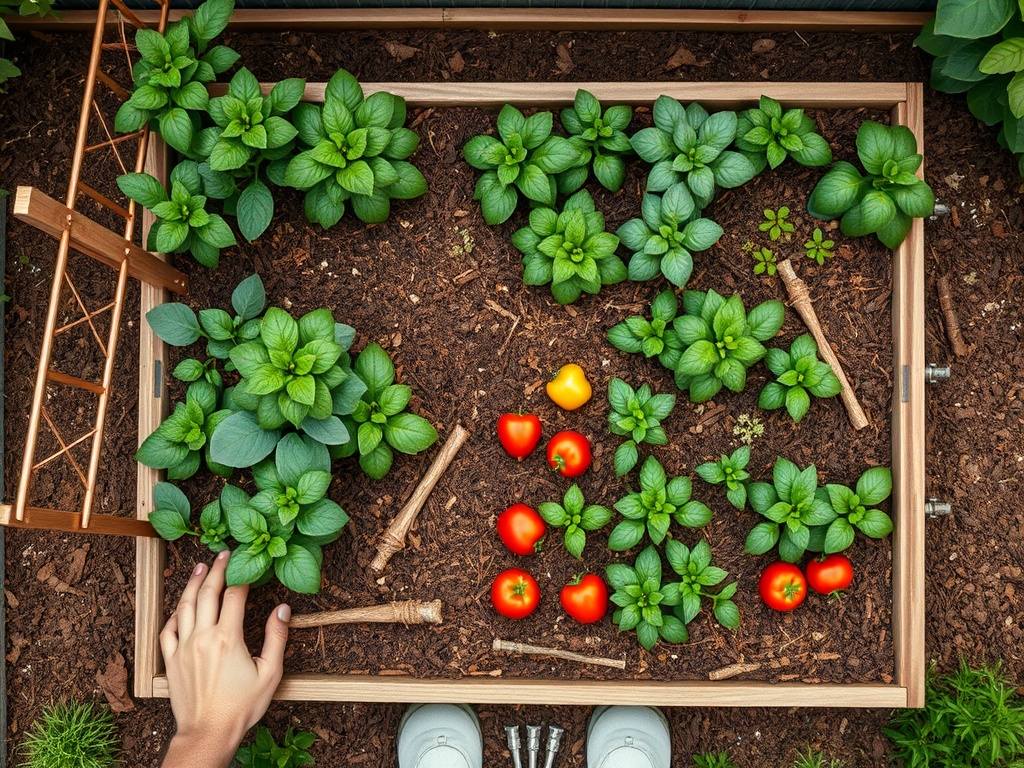
Lettuce, spinach, kale, mustard greens, and Swiss chard are excellent choices when you want to use a raised bed intensively. They are comparatively compact, can be planted in blocks rather than long farm-style rows, and are easy to replace with another crop after harvest.
For a fuller seasonal plan, connect crop timing with good soil preparation. The companion article on building and using finished compost can help you improve organic matter without treating compost as a complete substitute for soil testing or balanced fertility.
Root Crops Reward Loose and Even Soil
Radishes, carrots, beets, and similar roots can perform well in raised beds because the growing medium can be kept loose and relatively free of stones. Radishes are especially practical for beginners because they occupy little space and mature quickly compared with many larger vegetables. Longer carrots need enough depth for the variety you choose, so read the seed packet rather than assuming every carrot fits every bed.
Tomatoes and Peppers Need More Room Than They Seem To
Tomatoes and peppers are popular raised-bed vegetables, but they should be treated as structural plants rather than fillers. A mature tomato can cast significant shade and compete strongly for water. Set the support system early, place taller crops where they will not unnecessarily shade smaller plants, and choose compact or determinate varieties when the bed is tight.
If insect feeding or disease symptoms appear, identify the problem before reaching for a treatment. The article on practical organic pest-control options explains why monitoring and correct identification should come before sprays, even products marketed for organic gardening.
Beans and Cucumbers Earn Their Space With Vertical Growth
Bush beans are easy to place in a raised bed because they stay relatively compact. Pole beans and cucumbers can also be excellent choices when you add a trellis. University of Minnesota Extension guidance on trellises and cages explains that vertical support can help small gardens accommodate vining crops that would otherwise spread across the ground.
Put trellises where they will remain stable in wind and where their shade will not overwhelm sun-loving neighbors. A north-side placement often works in many Northern Hemisphere gardens, but yard orientation, season, and surrounding structures can change the pattern. Observe your own site rather than applying one layout rule blindly.
A Simple Shortlist for Different Raised-Bed Goals
For a first-time gardener
Choose lettuce, radishes, bush beans, basil, and one or two pepper plants. This mix gives you several growth habits without requiring elaborate training systems.
For maximum use of a small bed
Combine quick greens or radishes with vertical cucumbers or pole beans. Replant harvested spaces rather than crowding everything at once. This is a better use of limited square footage than reducing spacing below reasonable crop needs.
For a summer-focused bed
Build around peppers, compact tomatoes, basil, and trellised cucumbers. Leave enough open soil surface to water accurately and inspect plants.
For a low-maintenance bed
Favor bush beans, chard, herbs, and compact peppers over highly vigorous vines. “Low maintenance” is relative; every vegetable bed still needs routine watering, observation, and harvesting.
Watering Can Decide Which Crops Succeed
Raised beds can drain efficiently, but that also means they may dry faster than nearby in-ground soil under hot or windy conditions. Check moisture below the surface rather than judging by appearance alone. Water deeply enough to reach the active root zone and adjust frequency for weather, soil texture, plant size, and growth stage.
For a closer look at delivery methods, compare drip irrigation and soaker hoses before installing a permanent system. The right setup can make a densely planted bed easier to manage because water is delivered near the soil rather than over the foliage.
Common Raised-Bed Planting Mistakes
One frequent mistake is choosing only by popularity. Pumpkins, large winter squash, sweet corn, and very vigorous indeterminate tomatoes can be grown in raised beds, but they demand more room or special planning than many gardeners expect. Another mistake is treating a bed’s edge as a hard boundary; trailing crops can be allowed to spill outward if paths and access remain clear.
Also avoid assuming that “more compost” always means better soil. Organic matter is valuable, but the bed still needs a workable mineral-soil structure, appropriate fertility, and drainage. Repeatedly adding rich material without testing can create nutrient imbalances.
Build Your Bed Around the Way You Actually Garden
The best vegetables for raised beds are the ones that fit your climate, bed depth, sunlight, available time, and eating habits. Start with a few compact crops, use vertical supports where they genuinely save space, and stagger planting so one harvest can make room for the next. A productive bed is less about fitting the largest number of plants and more about giving the right plants enough resources to stay healthy.
For the next planting cycle, sketch the bed, mark the tallest crops, reserve trellis locations, and choose one cool-season and one warm-season succession. That small planning step will usually improve space use more than adding another plant to an already crowded bed.
This home-gardening information is educational and general. Planting dates, crop performance, soil needs, irrigation requirements, and pest risks vary by region and site; local Extension guidance can help with location-specific decisions.[/