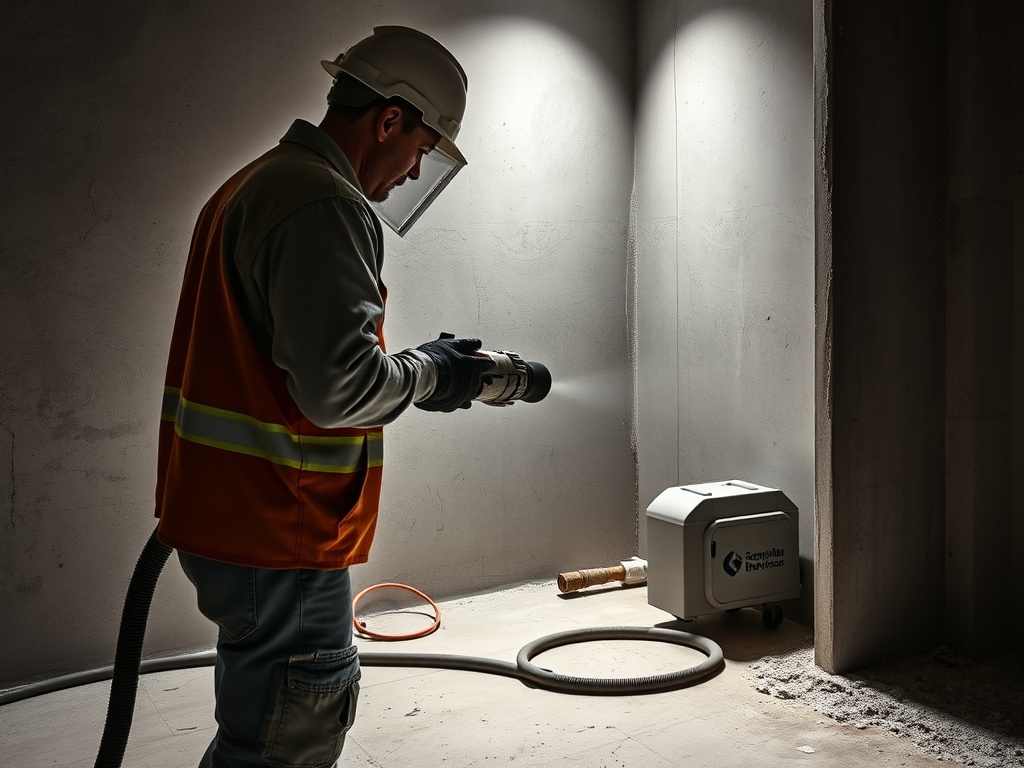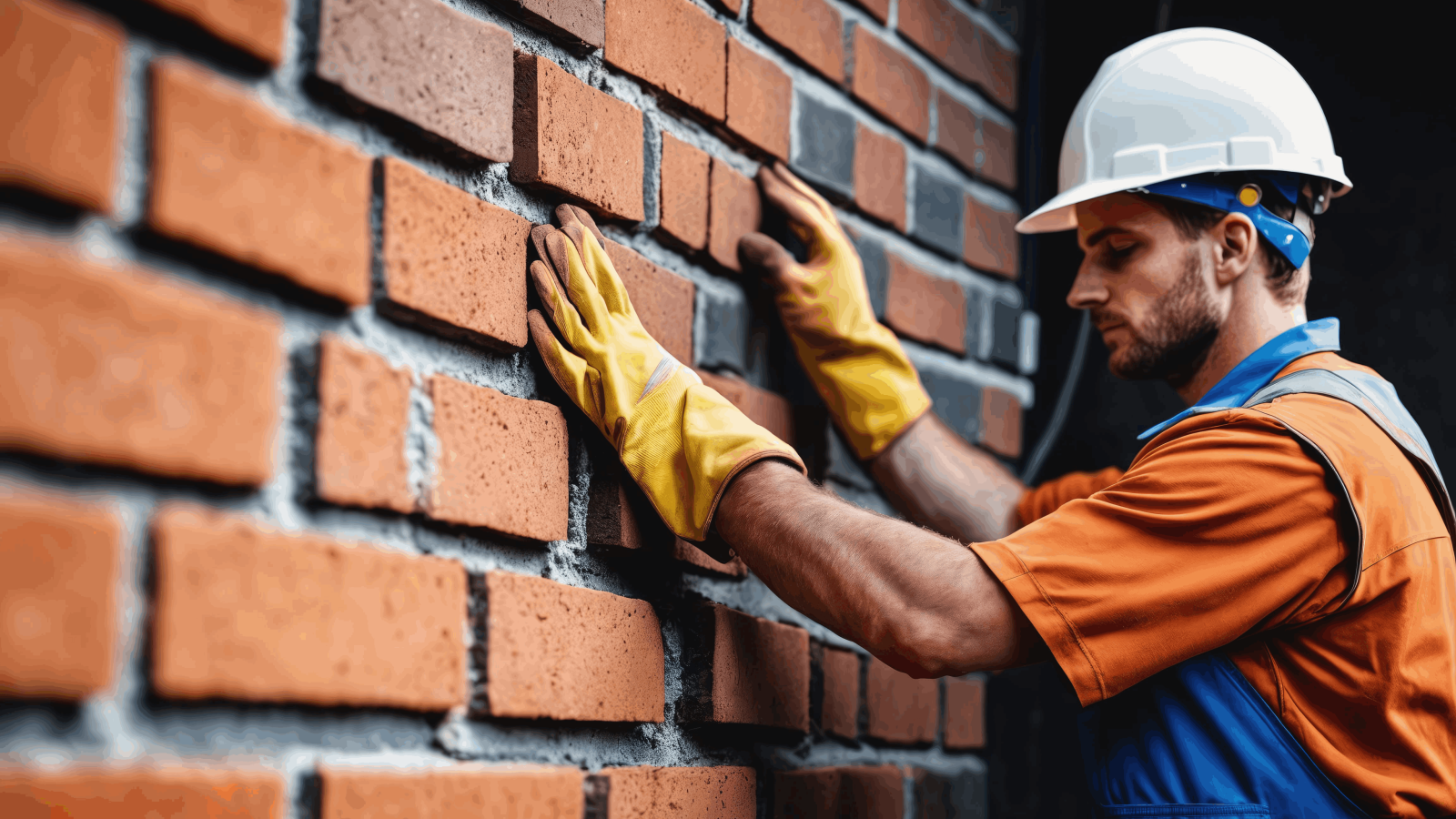
Brick repointing is the careful removal and replacement of deteriorated mortar joints so masonry can shed water, move appropriately, and keep its historic or architectural character. The key is compatibility: the new mortar and workmanship should suit the existing brick, not simply look clean on day one.
Aging masonry repointing brief: Repoint only where mortar has failed, use a compatible mortar, protect the brick edges, and solve water problems before expecting new joints to last. The National Park Service Preservation Brief 2 on repointing is a respected starting point for historic masonry work.
Why mortar joints fail before brick usually does
Masonry walls are built from units and joints. In older brick buildings, the mortar is often intended to be the more sacrificial material. It cushions slight movement, helps manage moisture, and can be renewed without replacing the brick. When joints crack, wash out, separate, or become powdery, the wall may absorb more water and shed it less effectively.
Not every joint with color variation needs repointing. Some aged mortar is still performing. Unnecessary grinding can damage brick faces, widen joints, and erase historic tooling. A good assessment separates cosmetic aging from material loss, open joints, bond failure, and water-driven deterioration.
Repointing also belongs in a bigger maintenance conversation. If roof drainage, grade, flashing, parapet caps, or window sills are sending water into the wall, new mortar may hide symptoms without fixing causes. Owners planning broader upgrades should connect masonry work with renovating historic commercial buildings without losing performance so envelope repairs and interior changes support each other.
Terms that make repointing less confusing
Repointing means removing deteriorated mortar from joints and placing new mortar. Tuckpointing is sometimes used casually to mean the same thing, but traditionally it refers to a decorative technique that uses contrasting mortar colors to create the appearance of very fine joints. Pointing describes the finished profile or tooling of the joint.
Mortar compatibility refers to strength, permeability, composition, color, texture, and joint profile. On older soft brick, a mortar that is too hard can concentrate stress in the brick rather than the joint. That can lead to spalling or edge damage. On newer masonry, specifications may differ, so assumptions from one building should not be copied to another.
How crews judge the right repair scope
A qualified masonry professional usually begins with visual review, sounding, gentle probing, moisture clues, and review of wall details. The scope may include only selected elevations, parapets, sills, or high-exposure walls. Full-building repointing is not always necessary.
The crew also needs to decide how old mortar will be removed. Hand tools are slower but can protect fragile units. Power tools may be used by skilled workers in suitable conditions, but they increase the risk of damaging brick edges when joints are narrow, irregular, or soft. The choice is a craft decision based on wall condition, joint width, brick hardness, and access.
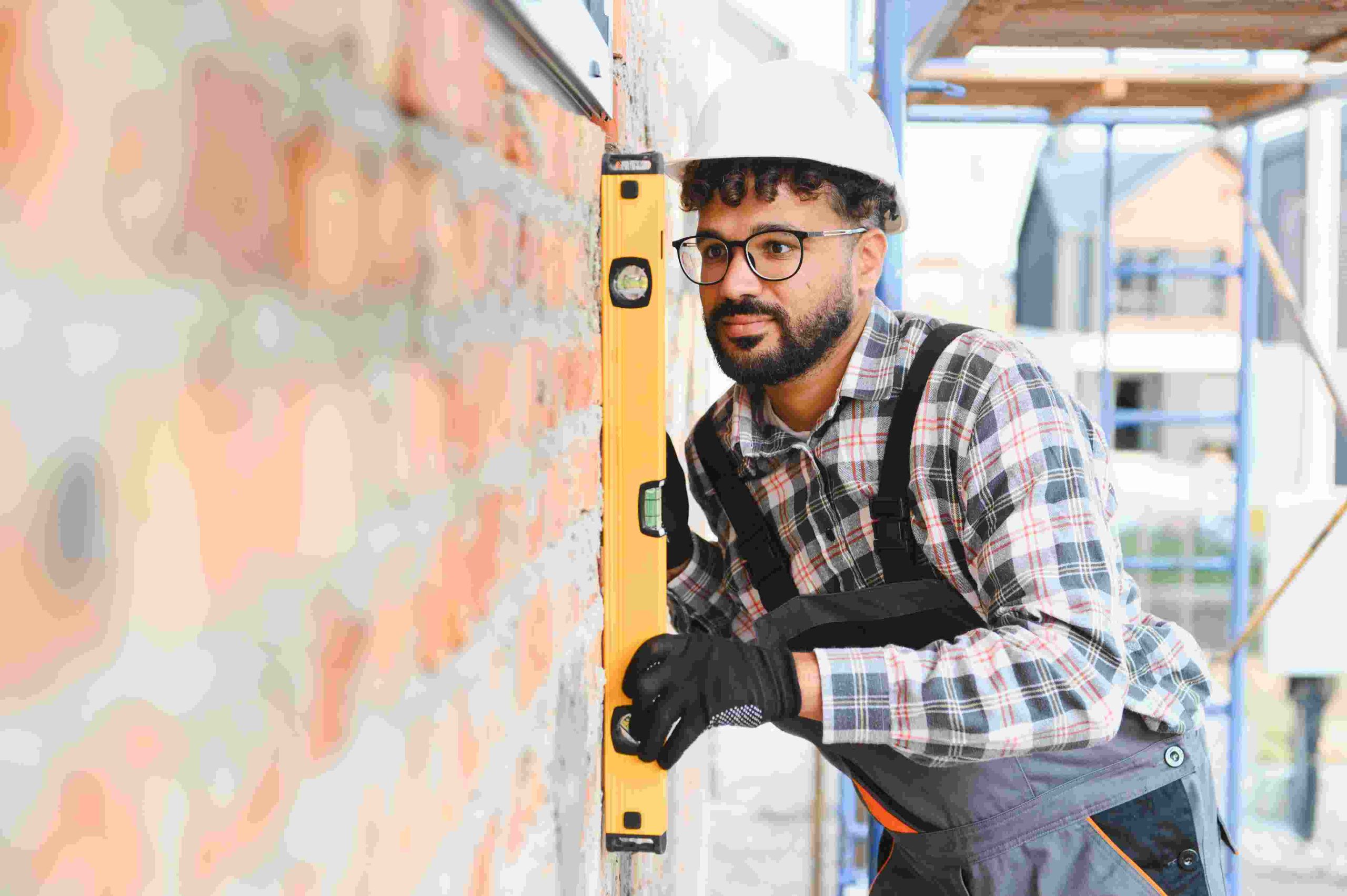
Repointing method at a practical level
The process typically begins with protection. Adjacent finishes, windows, doors, landscaping, sidewalks, and occupied areas may need shielding. Loose and deteriorated mortar is removed without damaging the brick. Joints are cleaned so new mortar can bond to sound material.
Next, the wall is prepared for mortar placement. Depending on conditions, joints may need controlled dampening so dry masonry does not pull moisture out of the fresh mortar too quickly. Mortar is packed into the joint in controlled layers and tooled to match the intended profile. Curing and protection matter, especially in hot, cold, windy, or wet conditions.
Cleaning should be conservative. Harsh methods, aggressive pressure washing, or incompatible chemical cleaners can damage masonry. The finished work should blend with the wall’s character rather than create a harsh patchwork effect.
Mortar selection comparison for aging masonry
| Mortar decision | What it affects | Why it matters |
|---|---|---|
| Strength and hardness | How stress is shared between brick and mortar | Mortar that is too hard for soft brick can contribute to unit damage |
| Permeability | How moisture moves through the wall | Older masonry often needs to dry effectively |
| Color and aggregate texture | Visual match after curing | Wet mortar color can differ from cured appearance |
| Joint profile | Water shedding and historic appearance | Tooling can change how shadows and water behave |
| Work area limits | Scope, cost, and disruption | Selective repointing may be better than unnecessary full-wall work |
Warning signs that the problem is bigger than joints
Open mortar joints are sometimes a symptom, not the root cause. Bulging walls, stair-step cracking, repeated efflorescence, interior dampness, displaced lintels, failed parapet caps, rusting embedded steel, or settlement cracks may require broader investigation. In those cases, repointing alone may be inappropriate until structural or water-management issues are assessed.
Foundation movement can also telegraph into masonry walls. A general overview of common foundation types and where each works best can help owners ask better questions before assuming every crack is a mortar issue.
Maintenance rooms and storage practices can influence masonry durability too. Salt storage, wet equipment, blocked floor drains, or poor housekeeping against exterior walls may contribute to moisture. Coordinating masonry repair with janitorial closets, shops, and storage rooms that improve efficiency keeps operational habits from undermining exterior work.
A small test panel can prevent expensive disappointment. The mockup should show mortar color after curing, joint profile, workmanship, cleaning method, and how the repair looks in sun and shade. It also gives the owner a reference point if multiple crews or phases are involved. Keep photos and notes with the maintenance record so future repointing does not restart the investigation from zero.
Weather and access affect quality. Repointing under poor temperature, rain, wind, or direct drying conditions can undermine curing, while unstable access can lead to rushed tooling and uneven joints. Plan scaffold, protection, and work zones so craft quality is not sacrificed to a tight sequence.
Include seasonal access in the maintenance plan, since high parapets and exposed elevations are easy to ignore until visible deterioration returns.
Keep masonry repairs small, compatible, and documented
The best repointing projects are not the most dramatic. They are the ones that remove failed mortar carefully, use compatible replacement materials, protect surrounding units, correct water sources, and leave a record of mortar mix, locations, photos, and access conditions for future maintenance.
Before authorizing work, ask for a mockup, a written method, protection measures, and confirmation that the contractor understands the existing masonry. This content is for informational and educational purposes only and does not constitute engineering, architectural, preservation, legal, compliance, or project management advice; local experts should evaluate project-specific masonry conditions.