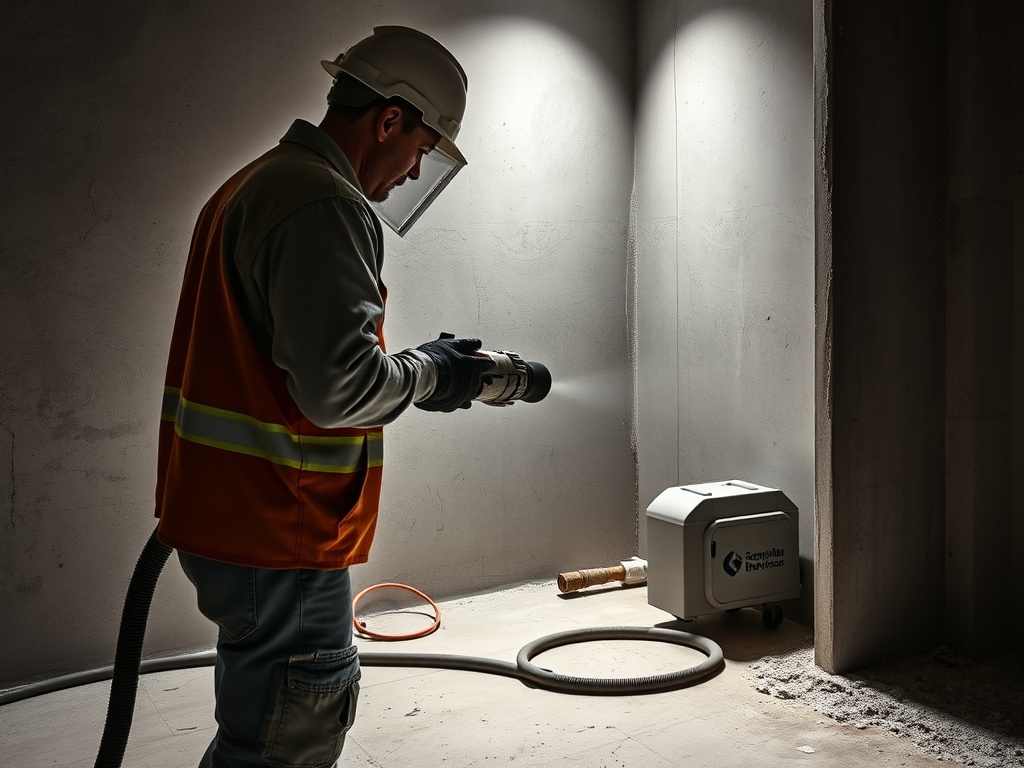
Electrical preventive maintenance helps commercial facilities reduce unsafe conditions, unexpected outages, and equipment deterioration by inspecting and testing distribution assets before faults become operational problems. The most useful program is risk-ranked, documented, and tied to corrective work rather than a calendar-only routine.
Electrical PM snapshot for facility teams: Build the program around equipment criticality, verified drawings, safe access, manufacturer instructions, and documented test results. Treat NFPA 70B and applicable electrical safety requirements as reference points, then confirm local code, insurer, and authority having jurisdiction expectations before work begins.
What an electrical PM program is really deciding
A panelboard, molded-case breaker, or switchgear lineup is not maintained well simply because someone looked inside it once a year. The real decision is which assets deserve deeper inspection, testing, cleaning, repair, or replacement based on consequence and condition.
For a hospital, data room, grocery refrigeration panel, process line, elevator feeder, or life-safety distribution path, a nuisance trip or loose connection can affect more than comfort. In lower-criticality spaces, the same defect may still matter, but the repair sequence can be different. That is why electrical preventive maintenance should connect asset lists to business function, safety exposure, and shutdown planning.
Electrical work also has a different risk profile than many routine facility tasks. OSHA’s electrical safety information explains hazards such as shock, electrocution, fires, and explosions, while the detailed federal rules for general industry appear in 29 CFR Part 1910 Subpart S. Those references do not replace a licensed electrician or engineer, but they help owners understand why access control, lockout coordination, and qualified personnel matter.
Where distribution equipment needs different attention
Panels, breakers, and switchgear share the same purpose of controlling electrical power, but they are not maintained in the same way. A small lighting panel may need labeling checks, working-clearance review, torque verification where appropriate, heat evidence review, and cover condition assessment. Large switchgear may involve relay testing, insulation-resistance testing, breaker exercise, mechanical inspection, infrared scanning under load, and review of environmental conditions.
A middle-ground asset, such as a tenant distribution panel or mechanical-room panelboard, often gets missed because it is neither the main service nor a small branch circuit panel. These are the locations where missing directories, blocked access, corrosion, dust, water stains, overheated conductors, or abandoned circuits can accumulate over time.
Owners planning older-building upgrades should connect electrical PM findings with broader renovation strategy. For example, renovating historic commercial buildings without losing performance often requires early verification of electrical capacity, routing constraints, and visible-impact limits before a design team assumes equipment can simply be swapped.
A practical maintenance sequence for active buildings
The best sequence depends on the facility, but most commercial programs follow a similar logic: verify information, prepare a safe shutdown or inspection plan, inspect condition, test selected assets, complete corrective work, and update records.
Confirm records before opening equipment
Start with one-line diagrams, panel schedules, equipment nameplates, breaker settings, available maintenance history, and known nuisance-trip reports. Missing or outdated drawings do not stop all work, but they should change the plan. Crews may need tracing, labeling, or phased verification before deeper testing.
Inspect conditions without treating every asset equally
Condition review should look for heat discoloration, odor, corrosion, water entry, physical damage, missing blanks, compromised covers, blocked working space, poor housekeeping, and evidence of unauthorized modifications. This is also the point where maintenance leaders decide whether the issue is immediate, planned, or monitored.
Test only where the result will change action
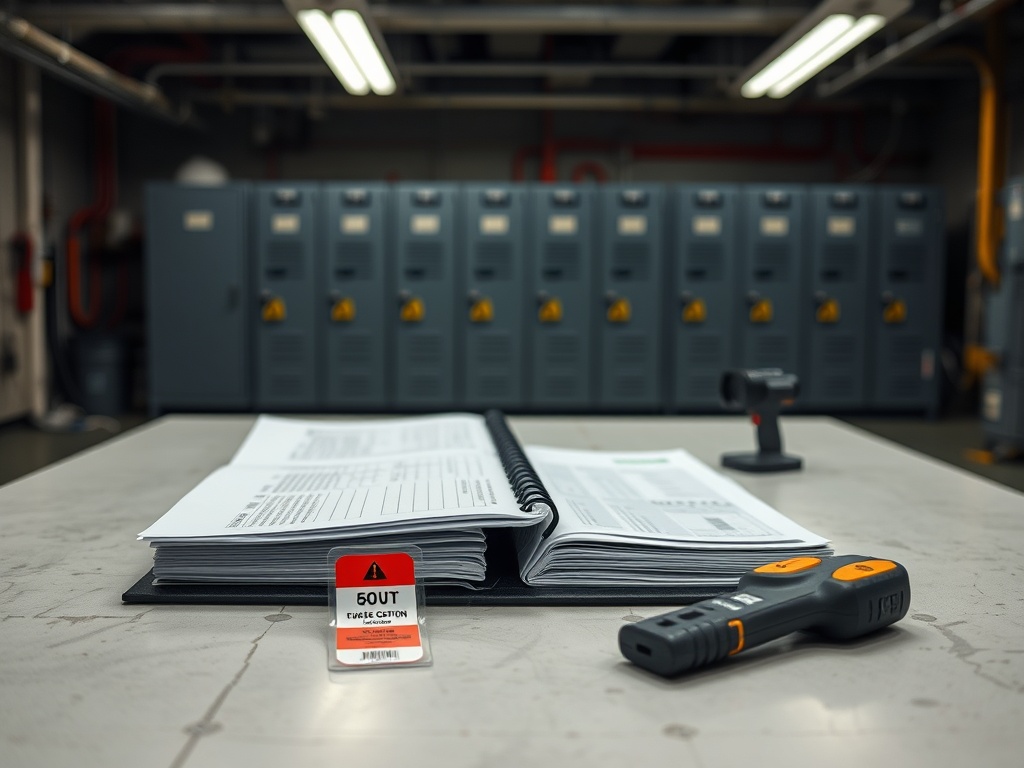
Testing can be valuable, but it should not be ritual. Infrared scans need load conditions. Insulation testing may require isolation. Breaker testing may require outages and specialized equipment. If a test result will not change repair priority, replacement planning, or safety controls, the maintenance team should question why it is included.
Close the loop with corrective work
A report that lists deficiencies without ownership is not a maintenance program. Assign priority, scope, responsibility, shutdown needs, and closeout evidence. Where findings interact with other facility work, such as storage, housekeeping, or dust-generating construction, coordinate with teams using guidance similar to dust control tools that reduce cleanup and health risks so electrical rooms are not exposed to avoidable contamination.
Electrical maintenance priority table
| Asset or condition | Typical maintenance focus | Planning implication |
|---|---|---|
| Main switchgear or service equipment | Condition assessment, mechanical operation, protective device settings, thermal patterns, environmental exposure | Often needs engineered outage planning and high-priority documentation |
| Mechanical-room panels | Directory accuracy, water exposure, conductor terminations, working clearance, heat evidence | Coordinate with HVAC, plumbing, and operations teams before shutdowns |
| Tenant or department panels | Labeling, blanks, overfilled raceways, nuisance trip history, unauthorized changes | Helps reduce service calls and confusion during renovations |
| Breakers serving critical loads | Trip history, settings, compatibility, age, testing where justified | May require redundancy plans before maintenance work starts |
| Electrical rooms and closets | Housekeeping, access, moisture, dust, storage conflicts | Connects directly with janitorial closets, shops, and storage rooms that improve efficiency |
Faults that make maintenance weaker, not stronger
The first mistake is treating every panel as equal. A flat schedule wastes effort on low-impact assets while critical loads wait. The second is ignoring environmental causes, especially heat, moisture, dust, or blocked ventilation. Electrical PM should ask why a defect appeared, not only how to clear it.
The third mistake is using inspections as a substitute for repair funding. When the same overheated connection, missing cover, or corroded enclosure appears in repeated reports, the issue is no longer a discovery. It is a deferred decision. The fourth is failing to update labels and drawings after work is complete. In an outage or renovation, inaccurate records can create delays and additional safety review.
Many teams also benefit from grouping PM tasks by shutdown opportunity. For example, an annual outage may be the right time for deeper work on switchgear, while monthly rounds may focus on access, temperature, moisture, and housekeeping. This layered approach helps the team avoid unnecessary interruptions while still catching visible deterioration between major service windows.
Turn inspection findings into a safer maintenance rhythm
An effective electrical preventive maintenance program is built from repeatable decisions: which equipment is critical, what condition data is reliable, what work can be safely performed, and what repairs must be funded. The program should be reviewed after outages, renovations, major equipment changes, and recurring nuisance trips.
Use the next maintenance cycle to rank electrical assets by risk, verify documentation gaps, and separate immediate hazards from planned corrective work. This content is for informational and educational purposes only and does not constitute engineering, electrical, legal, compliance, or project management advice; qualified professionals and local authorities should guide project-specific decisions.