Dynamic range is the span between the darkest and brightest detail a camera, file, display, or final image can hold. Photographers care because scenes with bright skies, deep shadows, stage lights, windows, and reflective surfaces can lose important detail when the range is wider than the camera or output can capture.
Fast takeaway: Dynamic range is not a fancy way to say “good photo.” It is a technical limit that affects exposure choices, editing flexibility, highlight recovery, shadow noise, and how natural an image feels.
The basic idea in everyday language
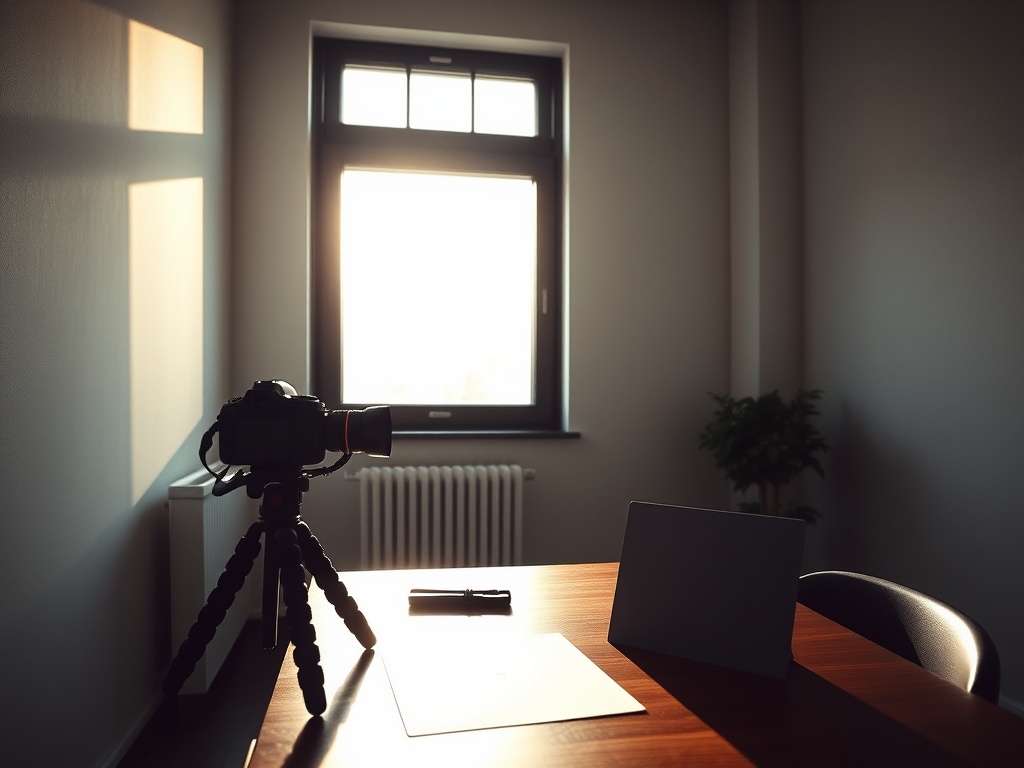
Imagine standing in a room with a bright window. Your eyes can look around and adjust quickly, but a camera has to record the scene in one exposure or in a planned sequence of exposures. If the window is exposed correctly, the room may go dark. If the room is exposed correctly, the window may turn white. Dynamic range describes how much of both ends can be captured at once.
Adobe’s guide to dynamic range in video and imaging explains the concept through the difference between the lightest and darkest parts of a scene. Photography Life’s explanation of dynamic range in photography also notes that photographers often describe the range in stops, with each stop representing a doubling or halving of light.
Where dynamic range shows up
Photographers encounter dynamic range in camera reviews, RAW file discussions, HDR workflows, editing software, smartphone camera modes, print preparation, and lighting decisions. Landscape photographers see it at sunrise and sunset. Event photographers see it on stage when performers are under spotlights and the background is dark. Real estate photographers see it in interiors with bright windows. Street photographers see it when hard sunlight creates bright pavement and deep shade.
Dynamic range also affects how much editing freedom a file gives you. A RAW file with generous range may let you brighten shadows or recover highlights without the image falling apart immediately. A limited file may show banding, muddy color, or noisy shadows when pushed too far.
Dynamic range is not the same as exposure
Exposure is the photographer’s choice of how much light reaches the sensor. Dynamic range is the system’s capacity to hold useful information across tones. You can choose exposure carefully and still run into range limits.
A camera can clip highlights when bright areas exceed what the sensor can record. Clipping means the information is gone, not merely hidden. Shadows can also become unusable if lifting them reveals too much noise. This is why photographers often protect highlights in bright scenes, then use editing, lighting, filters, or bracketing to handle the shadows.
Why RAW files matter
RAW files usually preserve more tonal information than heavily compressed files. That does not make them magical, but it gives photographers more room to interpret a scene later. JPEG or HEIC files from a camera or phone may look pleasing immediately because the device has already made contrast, sharpening, noise reduction, and tone-mapping decisions.
For casual sharing, that finished look may be enough. For difficult light, RAW gives more control. A wedding photographer handling a white dress in sun, a concert photographer shooting dark rooms and bright lights, or an art-documentation photographer recording subtle surface texture may want that flexibility.
This is where technical language starts connecting to creative judgment. A photographer is not trying to capture every possible detail all the time. Sometimes deep shadows are part of the mood. Sometimes a blown highlight is acceptable. Dynamic range gives options, but the final image still needs intent.
Camera range, scene range, and display range
Dynamic range can refer to several parts of the image chain.
| Range type | What it describes | Why it matters |
|---|---|---|
| Scene dynamic range | The brightness difference in the real scene | Tells you how hard the scene is to capture |
| Sensor dynamic range | What the camera can record | Affects highlight clipping and shadow recovery |
| File dynamic range | What the saved image format preserves | Influences editing flexibility |
| Display dynamic range | What a monitor or phone can show | Changes how viewers experience highlights and contrast |
| Print dynamic range | What paper and ink can reproduce | Requires careful tonal compression |
Confusing these creates bad expectations. A camera might capture more information than a standard screen can display. A print might need a softer contrast curve than the digital file. A phone might use computational processing to make a high-contrast scene look balanced, but that does not mean the raw scene was easy.
Techniques photographers use
Photographers handle wide dynamic range in several ways. They can expose for the highlights, add light to the shadows, wait for softer light, use reflectors, bracket exposures, merge HDR images, or choose a composition with less contrast. In video, they may use log profiles to retain more tonal information for color grading.
Each method has trade-offs. HDR can look unnatural if pushed too hard. Underexposing to save highlights can create noisy shadows. Adding light changes the mood. Waiting for softer light may not be possible during live events. The best choice depends on the subject and the final use.
If you are shooting festivals or concerts, range problems are part of the visual environment. A guide to choosing the right festival for your budget, taste, and stamina can also help you think ahead about the practical conditions that affect photography, from crowd density to lighting and camera restrictions.
Why beginners overestimate dynamic range
New photographers sometimes hear that a newer camera has more range and assume it will fix all exposure problems. It will not. Better range helps, but strong light still requires decisions. The photographer must still read the scene, decide what matters, and expose accordingly.
Another mistake is lifting every shadow because the file allows it. Shadow detail can be useful, but too much recovery can flatten an image. Contrast gives shape. A face, building, mountain, stage, or sculpture often needs a controlled relationship between dark and light.
How to evaluate it in your own photos
After a shoot, look at three things. First, are important highlights clipped? Second, can important shadows be brightened without ugly noise? Third, does the image still feel natural after editing? If the answer to all three is yes, your dynamic range handling is probably working.
The link to other creative decisions
Dynamic range is a technical term, but it is also part of visual storytelling. A museum documenting artwork needs controlled range so surface details and color are not distorted. That connects to the careful record-keeping discussed in art provenance. Illustration and licensing teams also care about how images reproduce in campaigns, which is why the article on commercial use in illustration licensing pairs well with this topic for creators working across media.
A useful first habit
When you face difficult light, do not ask only, “Is this too dark or too bright?” Ask, “Which tones must keep detail?” That one question makes exposure, file format, lighting, and editing choices much clearer. Dynamic range matters because it helps photographers protect the parts of the image that carry meaning.