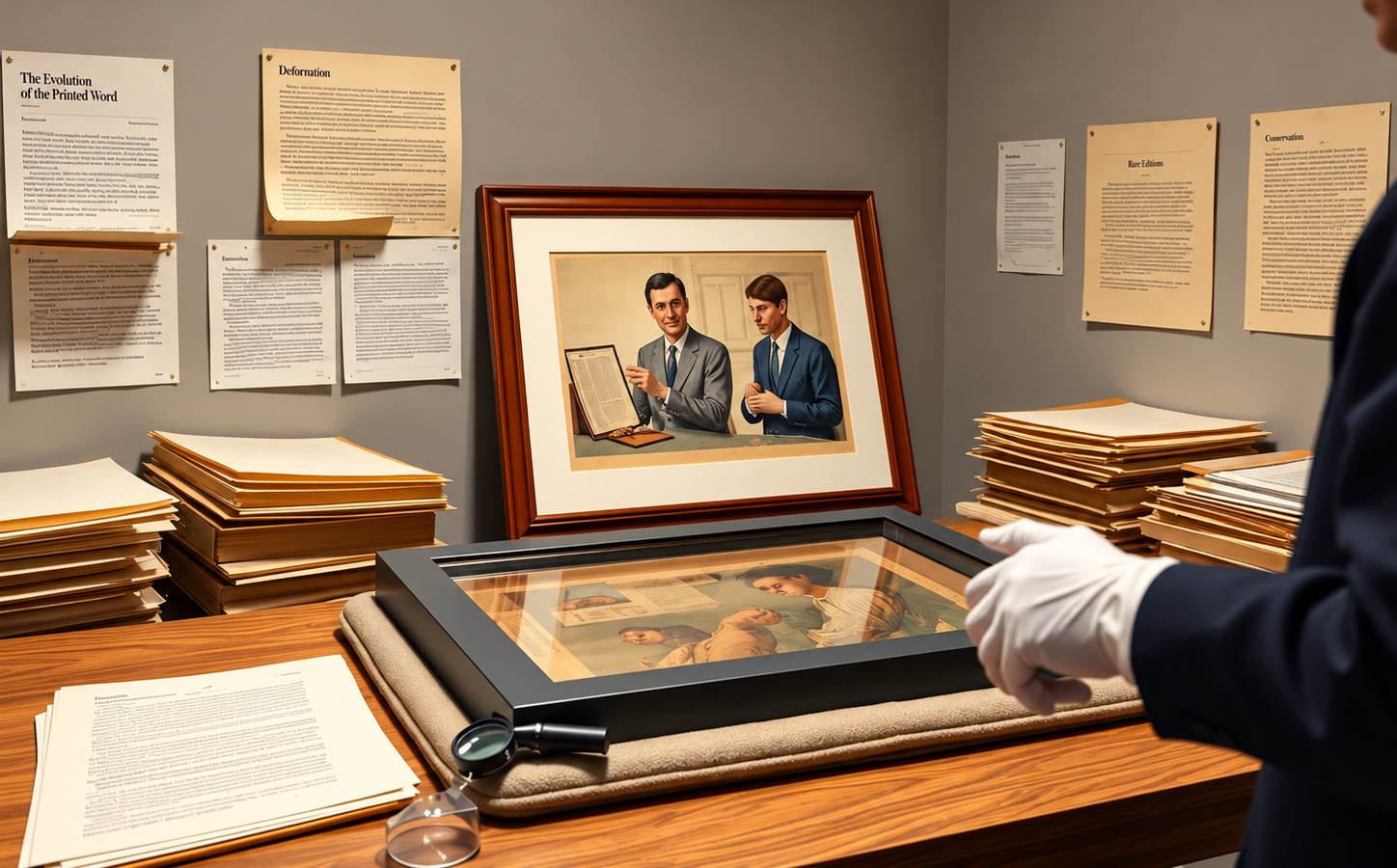
Provenance is the documented history of an artwork: who owned it, where it traveled, how it was sold, and what records support that story. It matters because a painting, sculpture, print, or artifact is not judged only by how it looks; its ownership trail can affect trust, value, legality, scholarship, and museum decisions.
Provenance is useful because it turns an object from “an artwork with a claim” into an artwork with a traceable record. For beginners, the goal is not to become a detective overnight. It is to know which questions separate a credible history from a vague sales pitch.
The plain-English meaning of provenance
In the art world, provenance means the chain of custody behind a work. The Getty Museum describes provenance as the history of an artwork, including origin, ownership, sale timelines, and previous locations. That simple definition is powerful because art objects can move through private homes, dealers, auction houses, estates, storage facilities, galleries, and museums before a viewer ever sees them.
A provenance record might include the artist’s studio, the first buyer, estate papers, gallery invoices, auction catalogues, exhibition labels, collector correspondence, import records, photographs of the work in a room, or a museum accession file. Strong provenance usually has multiple kinds of evidence that point in the same direction. Weak provenance often rests on phrases such as “attributed to a private collection” or “said to have been acquired in Europe” without supporting documentation.
Provenance is not the same as beauty, condition, or authorship. A beautiful painting can have poor provenance. A damaged work can have an excellent paper trail. A work can also have convincing provenance while scholars still debate the exact artist attribution. If you are also learning how visitors interpret objects in galleries, a deeper museum visit plan can help you connect labels, wall text, and object histories without treating every display as the final word.
Where readers encounter the term
Most beginners meet provenance in auction listings, gallery descriptions, museum wall labels, catalogues raisonnés, restitution news, and insurance paperwork. In each setting, the word does slightly different work. At auction, provenance reassures bidders that the seller has a plausible right to sell and that the object has a known market history. In a museum, provenance helps curators explain how an object entered the collection and whether its history raises ethical questions. In research, provenance helps scholars reconstruct networks of artists, collectors, dealers, patrons, and institutions.
What a good provenance trail usually contains
A useful provenance trail is specific. It names people, places, dates, transactions, and documents whenever possible. It also explains uncertainty instead of hiding it. Readers should look for phrases that show evidence and sequence:
- “Purchased from” identifies a transaction.
- “By descent” suggests inheritance through a family line.
- “With” can mean handled by a dealer or gallery, not necessarily owned by them.
- “Probably” or “possibly” signals an interpretation, not a settled fact.
- A gap between two dates deserves attention, especially when the gap covers a sensitive historical period.
Why provenance affects real decisions
Provenance affects price because buyers often pay more for works with clear, prestigious, or historically important ownership histories. A painting that passed through a noted collector’s home, appeared in major exhibitions, and has consistent documentation can carry a different market story from a visually similar work with gaps.
It affects authenticity because records can support or challenge attribution. A receipt from a respected gallery, an old exhibition photograph, or a dated letter will not replace technical analysis, but it can strengthen the case. Provenance also affects legality. Buyers, museums, and galleries may need to verify that a work was not stolen, illegally exported, or transferred under suspicious circumstances.
For ordinary readers, the biggest practical value is risk awareness. A first-time collector should not treat provenance as decorative copy. It is part of due diligence, similar to condition reports, title checks, and clear written terms. The same mindset helps when reading about image rights or licensing. Ownership of a physical artwork is different from permission to reproduce it, which is why a separate guide to commercial use in illustration licensing is helpful.
Provenance, authenticity, condition, and value
These four ideas are related but not interchangeable.
| Concept | What it answers | Common evidence | Common mistake |
|---|---|---|---|
| Provenance | Where has this object been, and who controlled it? | Invoices, catalogues, labels, archives, estate records | Treating a famous former owner as proof of everything |
| Authenticity | Is the work by the claimed artist or maker? | Expert opinion, technical analysis, artist records | Assuming style alone proves authorship |
| Condition | What physical state is the object in now? | Conservator reports, photos, restoration notes | Ignoring repairs because the provenance sounds impressive |
| Value | What might the work be worth in a market setting? | Comparables, rarity, demand, provenance, condition | Assuming price is fixed or purely objective |
This comparison matters because a single impressive detail can distract from the bigger evaluation. A well-documented history does not erase poor condition. A strong attribution does not fix unclear title. A high price estimate does not automatically mean the work has a clean past.
How to read provenance without overclaiming
Beginners should ask five practical questions. First, does the history name actual owners or only categories such as “private collection”? Second, are dates precise or broad? Third, are there supporting documents? Fourth, are there unexplained gaps during periods when ownership history is especially important? Fifth, does the seller, museum, or writer admit uncertainty?
A cautious reader also watches the grammar. “Attributed to” is not the same as “by.” “Circle of” is not the same as “studio of.” “From the collection of” may describe previous ownership, not a guarantee of current value. Small wording changes can carry big implications.
Myths that create confusion
One myth is that provenance must be perfect to matter. In reality, many older works have partial histories. The question is whether the available evidence is credible and whether the gaps are ordinary, explainable, or concerning.
Another myth is that provenance belongs only to expensive art. Even modest prints, photographs, costumes, posters, and collectibles benefit from clear records. A signed receipt, purchase email, gallery invoice, or exhibition record can help future owners understand the object.
A practical way to use the term
Use provenance as a question, not just a label. Ask: “What is the evidence for this object’s history?” That habit makes museum visits richer, buying decisions safer, and art writing more trustworthy. When you compare records across artworks, you also start noticing how archives, markets, and institutions shape cultural memory. Even technical creative fields have similar evidence habits; photographers, for example, use measurable terms such as dynamic range to explain what an image can hold rather than relying only on impression.
A sensible first step for curious readers
The next time you see provenance in a wall label, catalogue, or listing, pause before moving on. Look for names, dates, gaps, and evidence. A good provenance trail does not remove every uncertainty, but it tells you what kind of trust the artwork is asking for and whether that trust has been earned.