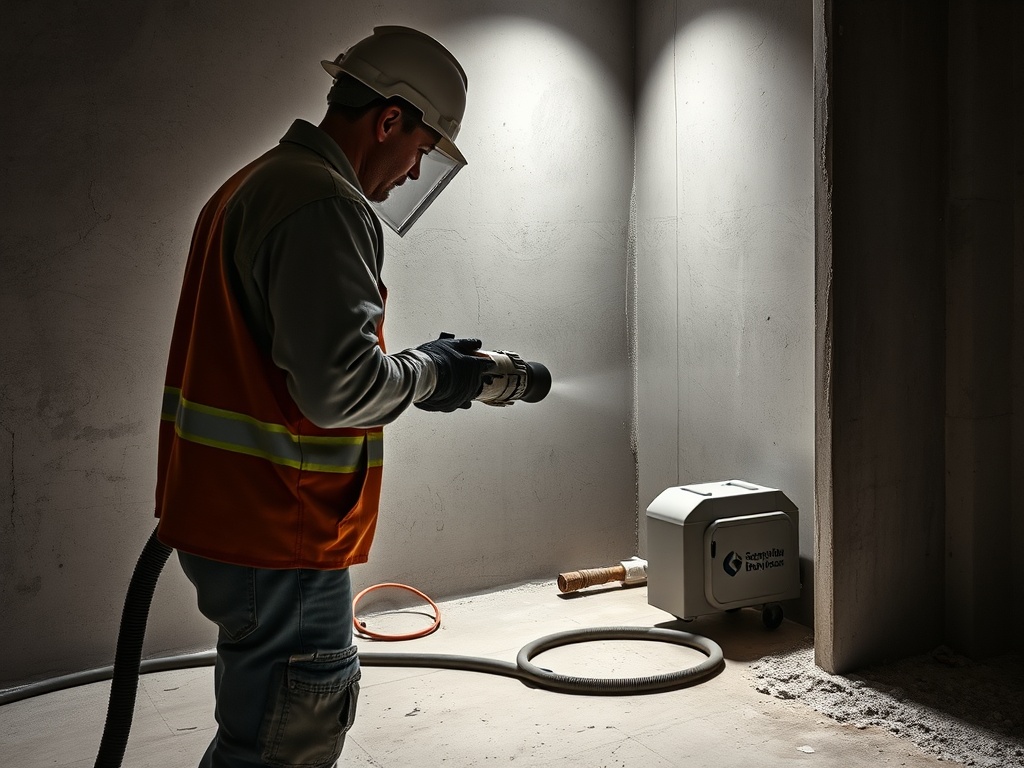
Construction dust control works best when dust is captured or suppressed at the source, not swept up after it spreads. The right tools can reduce cleanup time, protect nearby occupants and equipment, and support compliance with task-specific exposure-control requirements.
Construction dust control brief: Match the control to the material, task, tool, duration, and work area. OSHA’s construction silica guidance and CDC/NIOSH silica safe work practices emphasize engineering controls such as wet methods and local exhaust ventilation where respirable crystalline silica may be generated.
Dust control starts at the tool, not after cleanup
Dust is easier to control before it becomes airborne and settles across the site. Sweeping, blowing, and dry cleanup can move fine particles into breathing zones or sensitive equipment. Better planning starts with the work method: cutting, grinding, drilling, sanding, demolition, mixing, and cleanup all need different controls.
The highest concern often involves materials that may contain respirable crystalline silica, such as concrete, mortar, brick, stone, and some manufactured materials. OSHA’s 29 CFR 1926.1153 sets construction requirements for respirable crystalline silica exposure. Project teams should not guess whether a task is covered; they should review the standard, material, duration, and control method with a qualified safety professional.
Dust control also protects production. A cleaner site reduces rework, keeps finished areas usable longer, and can prevent contamination of electrical rooms, mechanical equipment, controls, and occupied spaces.
Match the control to the material and task
A drywall sanding task, a concrete core drill, a tuckpointing grinder, and a demolition cleanup each need a different plan. Controls may include tool-mounted shrouds, HEPA-filtered vacuums, wet cutting, water-feed drills, local exhaust, temporary barriers, negative air machines where appropriate, sticky mats, sealed carts, and housekeeping procedures.
The tool should be designed for the task. Improvised hoses, loose shrouds, clogged filters, and underpowered vacuums can create a false sense of control. If a manufacturer specifies airflow, filter cleaning, or water flow requirements, those details should be followed.
Dust planning should also consider nearby assets. For example, electrical panels and switchgear should not be exposed to construction dust. That makes coordination with electrical preventive maintenance for panels, breakers, and switchgear useful during renovations and shutdowns.
Tool options that reduce dust at the source
Tool-mounted dust collection captures particles close to the blade, bit, or sanding surface. It usually depends on a fitted shroud, an adequate hose, a suitable vacuum, filter maintenance, and correct work technique. Wet methods reduce dust by applying water at the point of generation, but they can create slurry, slip hazards, electrical concerns, and cleanup requirements.
Temporary containment helps protect adjacent areas, but it should not be the only control if a dusty task can be controlled at the tool. Air scrubbers and negative-pressure setups may support containment, especially in occupied buildings, but they do not replace source control.

Construction dust control comparison
| Control tool or method | Best use case | Watch-outs |
|---|---|---|
| Shroud plus HEPA-filtered vacuum | Grinding, drilling, sanding, cutting tasks where compatible equipment exists | Fit, airflow, filter cleaning, hose condition, disposal method |
| Wet cutting or drilling | Concrete, masonry, tile, and similar materials where water can be managed | Slurry control, electrical safety, slip hazards, freezing conditions |
| Local exhaust or negative air | Contained areas, occupied renovations, sensitive interiors | Must be designed and monitored for the space and task |
| Temporary barriers and floor protection | Separating dusty work from finished or occupied areas | Openings, pressure paths, worker traffic, material movement |
| HEPA housekeeping tools | Final cleanup and ongoing dust removal | Dry sweeping or compressed air can defeat the control strategy |
Jobsite habits that make controls work
Good equipment fails when daily habits are weak. Crews should inspect shrouds, hoses, seals, cords, filters, water lines, and collection containers before work. Supervisors should check that workers are using the system as intended, not lifting the shroud to see better or letting collection bags overfill.
Scheduling matters. Perform dusty work before final finishes where possible. Keep dust away from open ceiling returns, electrical rooms, stored materials, and active tenant areas. If a renovation involves code inspections or occupied work, dust control should be coordinated with permit sequencing and site protection. The guide on how code updates can affect renovation scope and cost can help teams anticipate when safety and containment planning may affect scope.
When cleanup methods become exposure problems
Dry sweeping and compressed air can spread dust. Standard shop vacuums may release fine particles if they lack suitable filtration or if filters are damaged. Workers emptying containers can also be exposed if disposal is not planned.
Cleanup should be part of the method statement, not an afterthought. Define who cleans, when they clean, what equipment they use, where waste goes, and how the area is released for follow-on work. In masonry work, this pairs closely with brick repointing basics for aging masonry buildings because grinding mortar joints can generate hazardous dust if not controlled properly.
Procurement affects compliance and production. Buying a shroud, vacuum, filter, hose, and tool as unrelated items can create compatibility problems in the field. Standardizing systems by task, training crews on setup, and keeping replacement filters and collection bags available makes the control plan easier to follow when schedules tighten. Supervisors should also confirm that dust-control equipment is included in bids instead of treated as an optional accessory.
Communication helps protect occupants and finished work. Post work-area rules, coordinate shutdowns of nearby returns when appropriate, and explain when noisy or dusty work will occur. In schools, healthcare spaces, offices, and retail settings, trust is easier to maintain when occupants see visible controls and understand the plan.
Do not forget storage. Dust extractors, hoses, barriers, and filters need clean, accessible storage so the controls are available when the next task starts.
Make dust control part of production planning
Dust control is not only a safety item and not only a housekeeping item. It affects schedule, quality, occupant trust, equipment reliability, and trade coordination. The best plan chooses the least dusty feasible method, captures or suppresses dust at the source, protects adjacent areas, and verifies that controls are being used.
Before the next cutting, grinding, sanding, or demolition task, ask the crew to identify the material, dust hazard, control method, cleanup method, and person responsible for verification. This content is for informational and educational purposes only and does not constitute industrial hygiene, safety, legal, regulatory, engineering, or project management advice; qualified safety professionals and applicable authorities should guide task-specific controls.